What is Generative Engine Optimization (GEO)? The complete 2026 guide
Your next customer may never see a search results page. The definitive primer: how generative engines build answers, how GEO differs from SEO, the four pillars of a working program, and a 30-day starting plan.
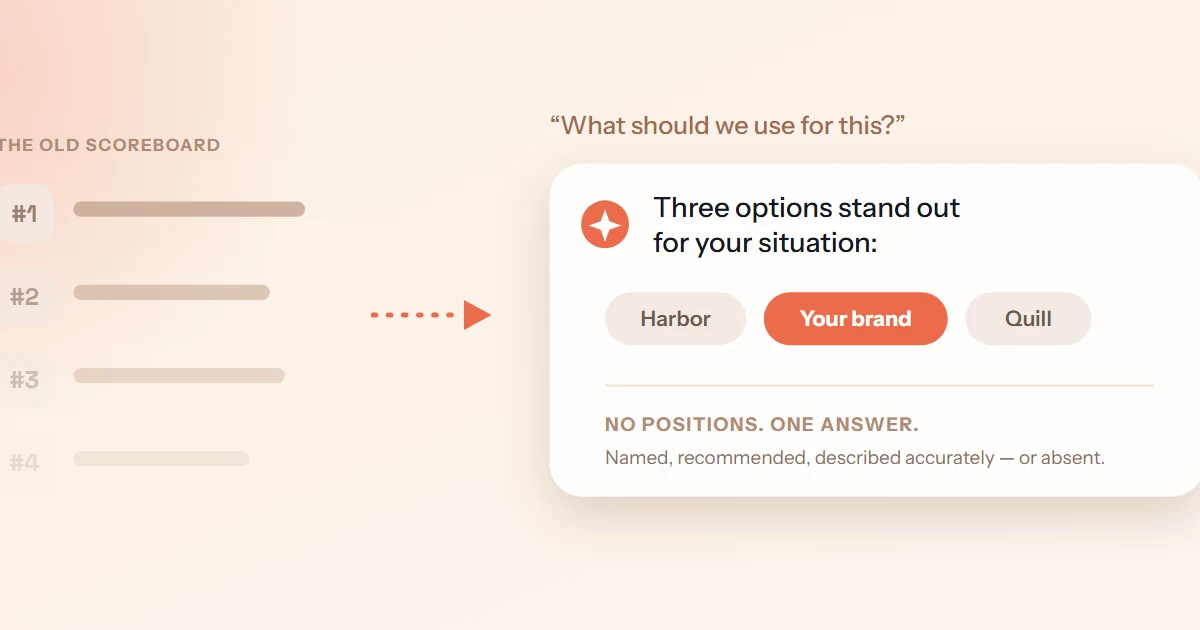
How to rank in AI search (2026): you don't rank — you get named
There's no page two and no position four — an assistant names two or three brands and moves on. The full loop for earning your spot, with every deep dive linked.
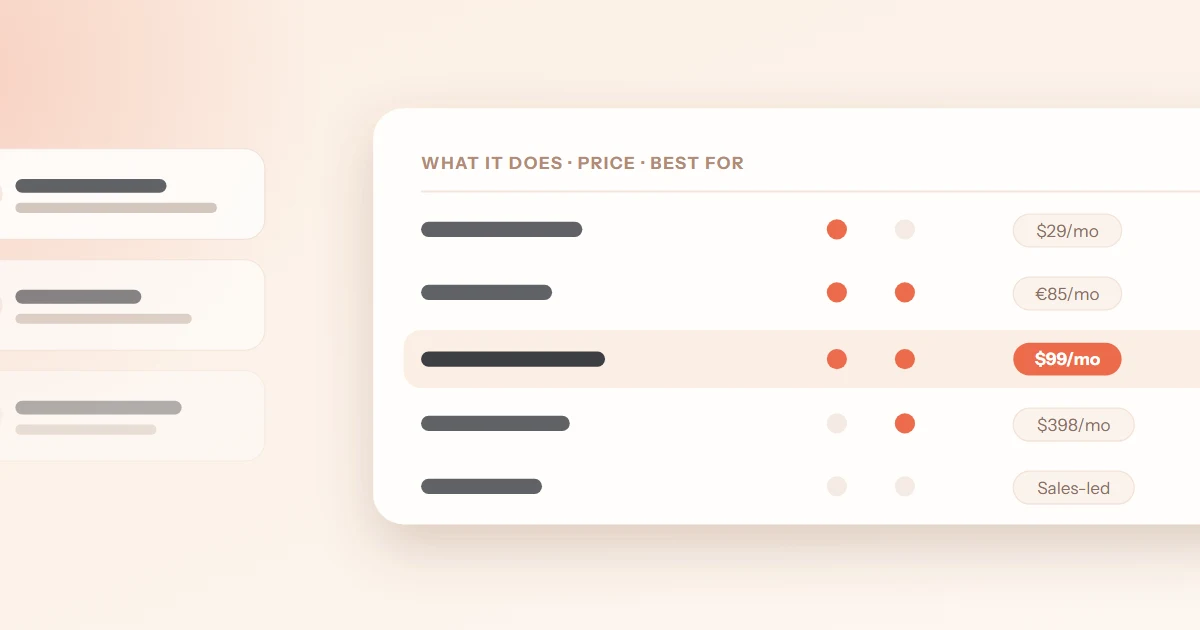
The best GEO tools in 2026
Nine real tools with verified prices — enterprise platforms, suite add-ons, self-serve trackers and the genuinely free options.
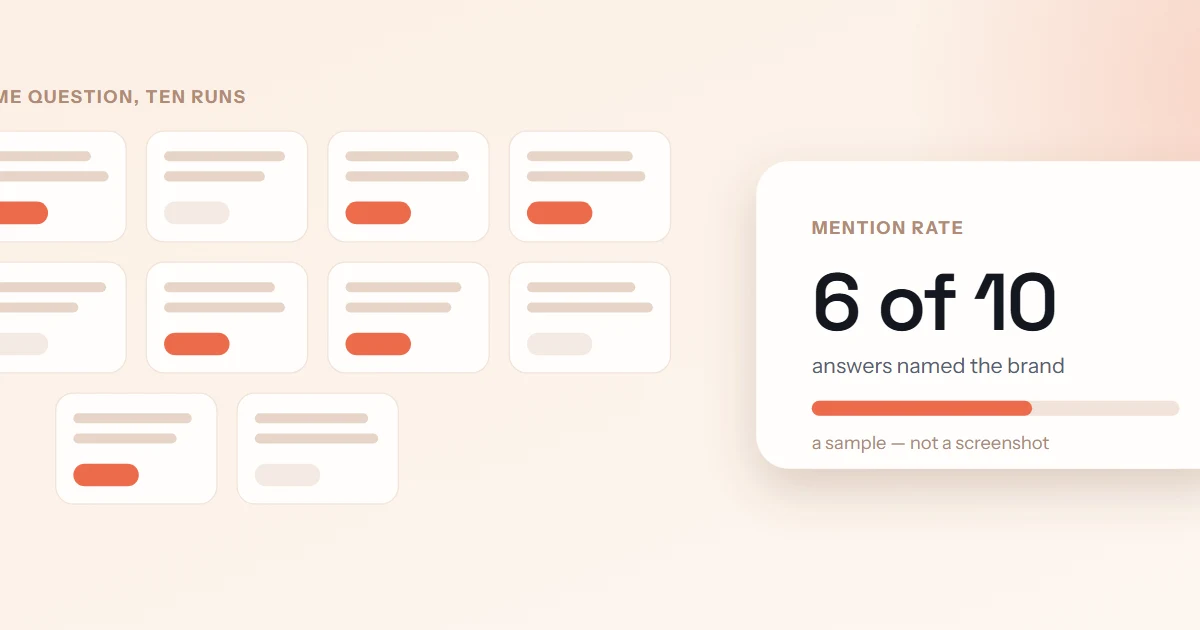
How to track brand mentions in AI search
Yes, it's possible — by sampling, not rank-checking. The method, the metrics, and a spreadsheet recipe you can run this week.
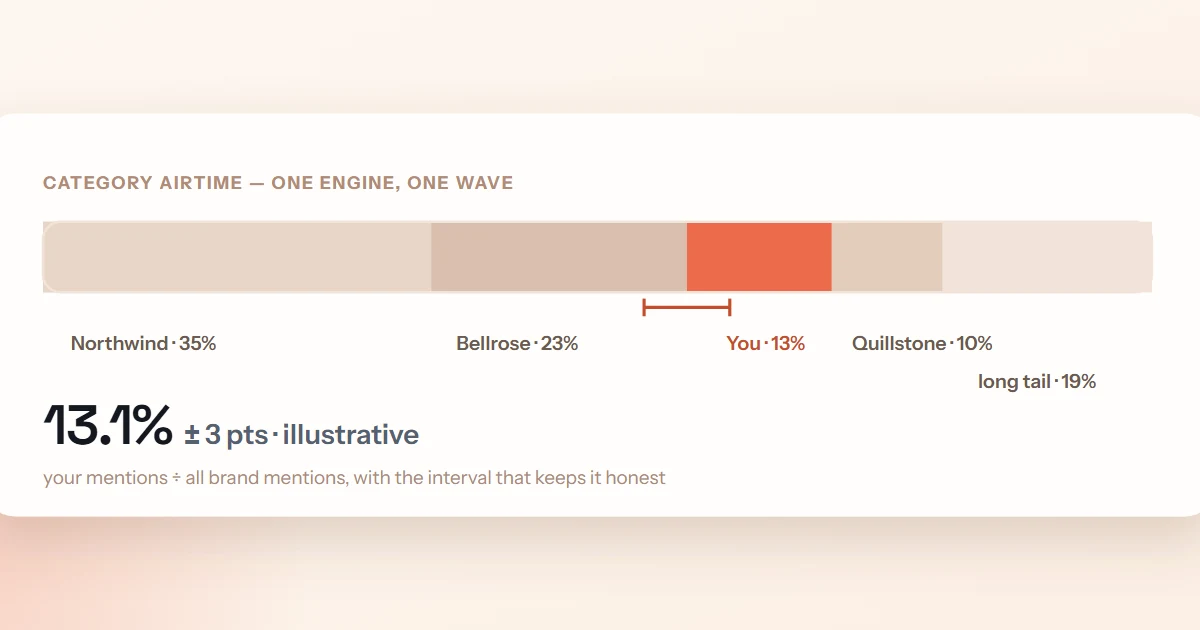
AI share of voice: what it is and how to measure it
Your mentions as a share of all the airtime engines give your category — the definition, a worked example, and the intervals that keep it honest.
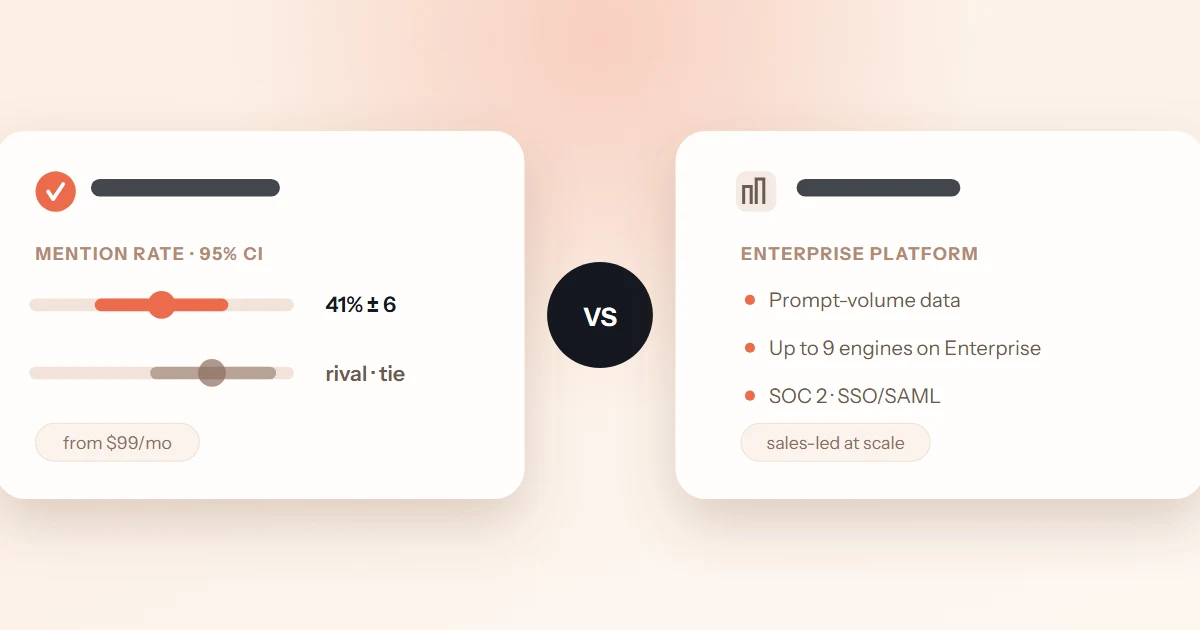
MentionBeat vs Profound: which fits your team?
An honest, sourced head-to-head — capabilities, real pricing as of August 2026, and when the enterprise leader is the better buy.
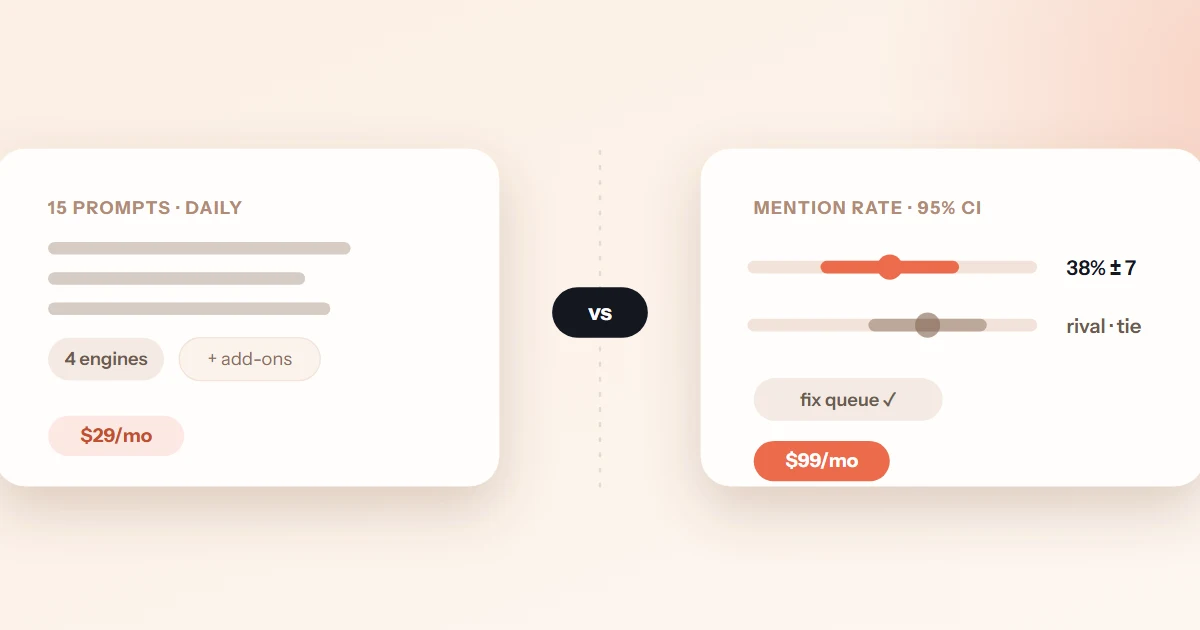
MentionBeat vs Otterly.AI: price floor or proof bar?
The $29 monitor against the $99 measurement platform — and a straight answer on when the cheaper tool is the right call.
7 Profound alternatives for 2026
Peec, Otterly, Scrunch, Semrush, Ahrefs and more — verified prices and an honest "choose this if" for every option.
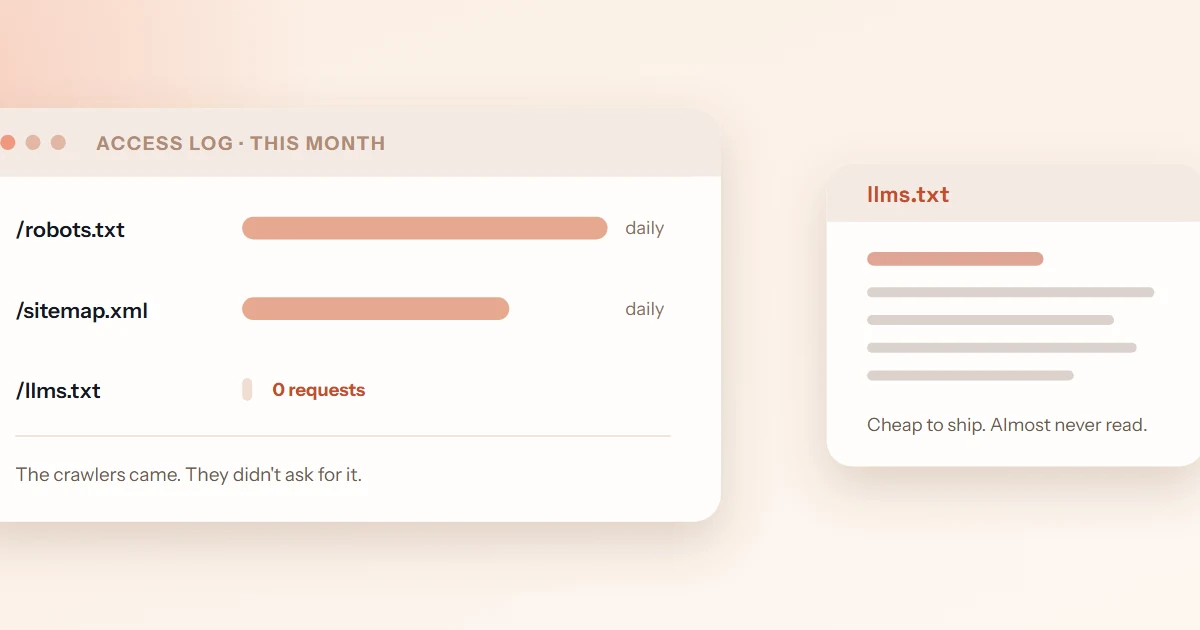
Does llms.txt actually work? What the evidence says
Server logs, engine docs and a 137K-site study say the same thing: almost nothing reads the file. Why we ship one anyway — and what it's actually for.
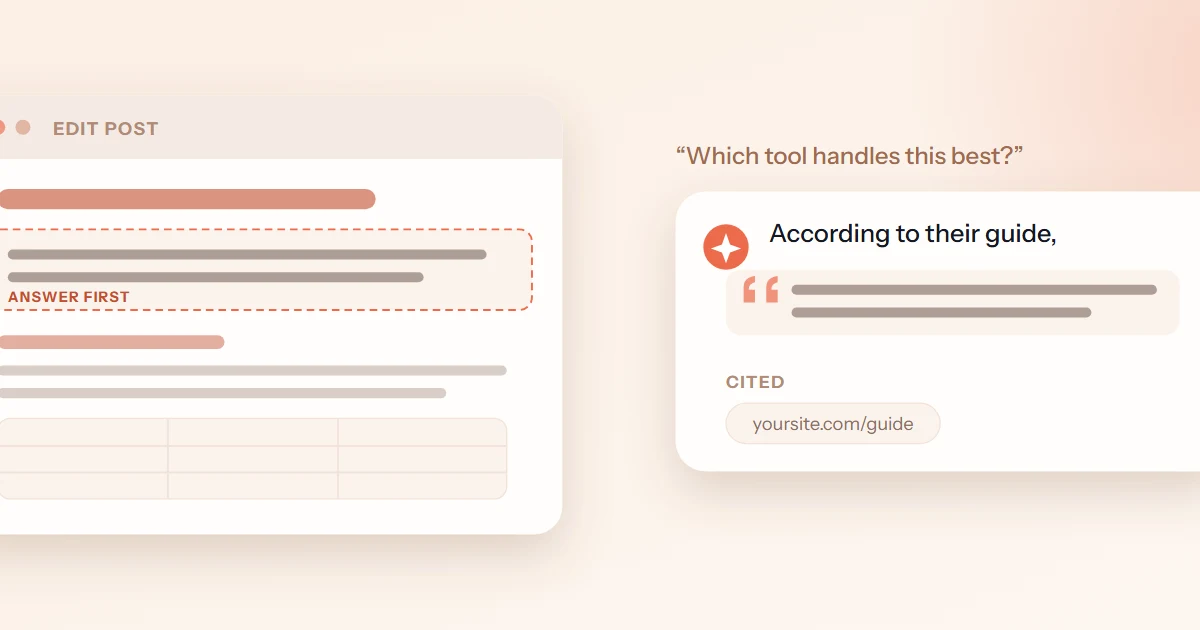
GEO for WordPress: the setup that makes your site quotable
WordPress already renders the HTML AI crawlers need — the rest is configuration. Schema plugins compared honestly, robots.txt, llms.txt in one toggle, and what to skip.
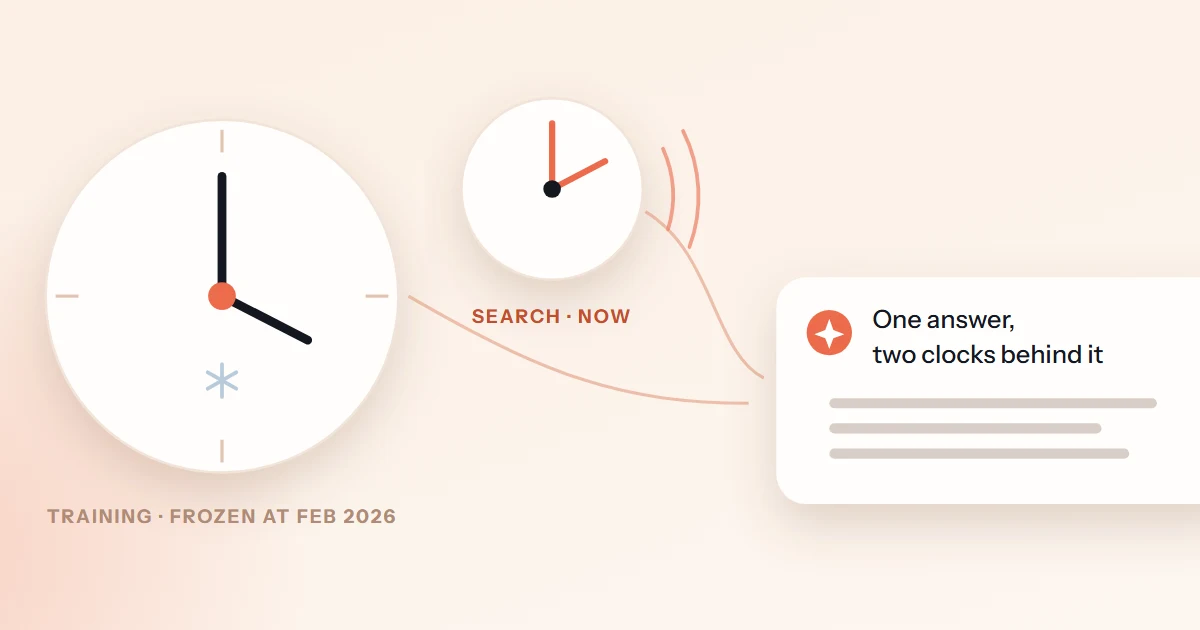
How often does ChatGPT update its data?
Two clocks: training frozen at February 2026, search fresh at answer time. The current cutoff dates — and a two-minute test to tell which layer answered you.
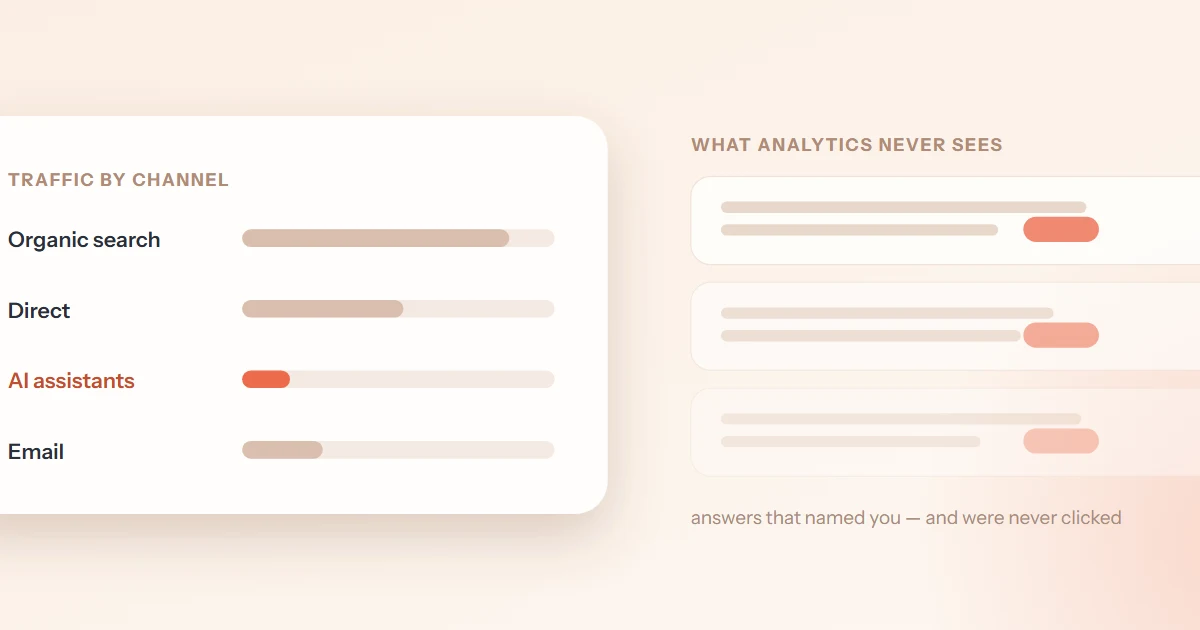
AI search referral traffic: how to measure what ChatGPT sends you
The referrers that identify AI visits, the GA4 regex to paste — and why the number you'll see is the floor of AI influence, not the total.
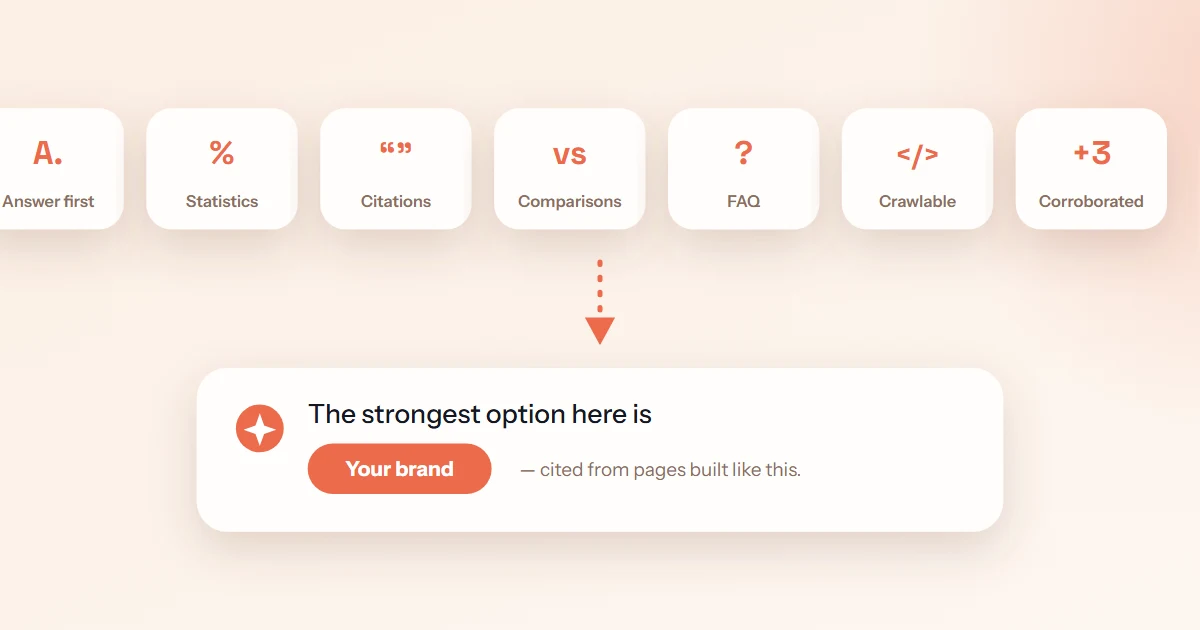
Generative engine optimization examples: 7 tactics you can see working
No screenshots of one lucky answer, no unverifiable lift percentages — 7 tactics whose footprints you can inspect on live, public pages today.
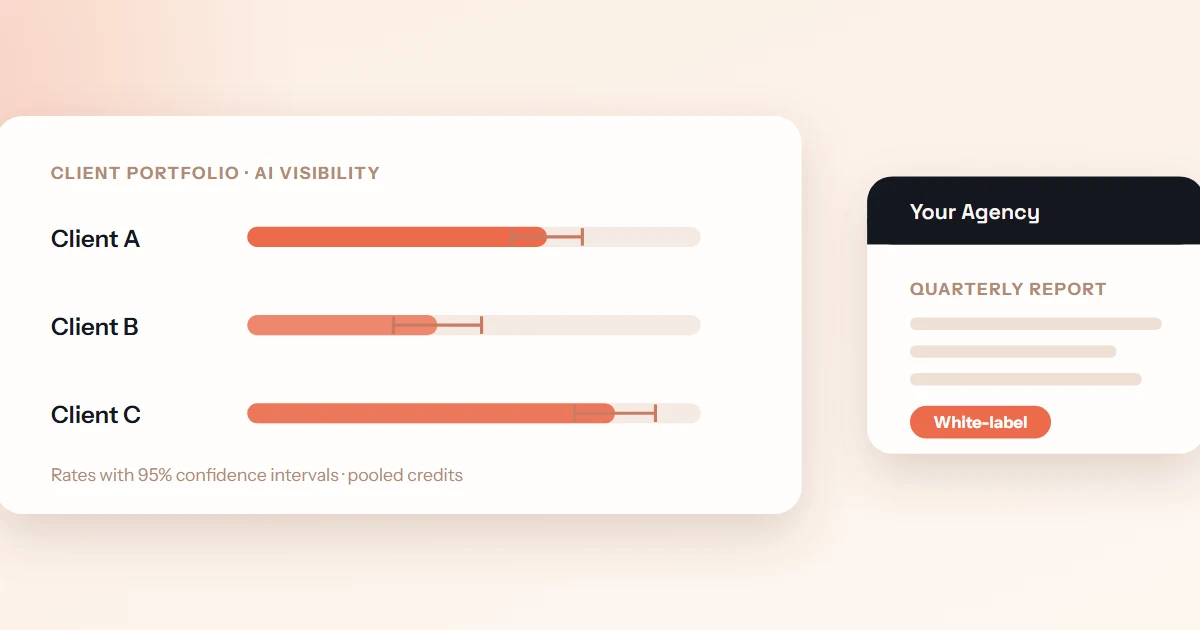
GEO for agencies: adding AI visibility to client retainers
Clients are asking why ChatGPT skips them. How to scope the retainer honestly, price it with frameworks, and report deltas clients actually believe.
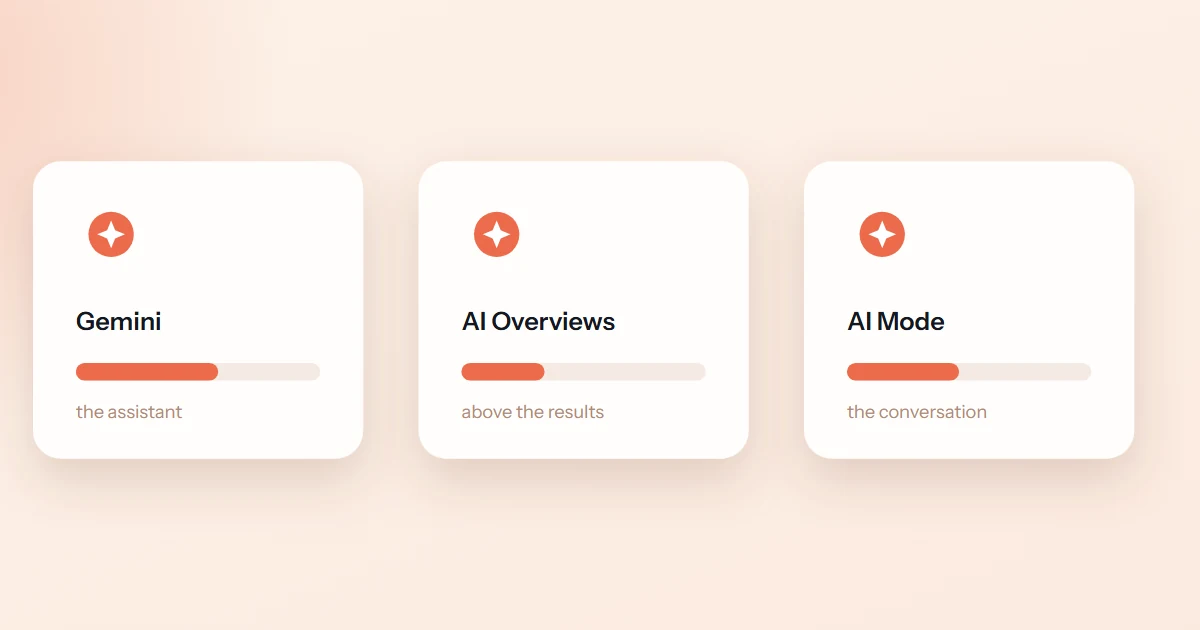
Gemini and Google’s AI Mode: the visibility playbook for both
Google is no longer one box. Gemini the assistant, AI Overviews above the results, and the new conversational AI Mode each assemble answers differently — and each is a distinct visibility surface you can win or lose.
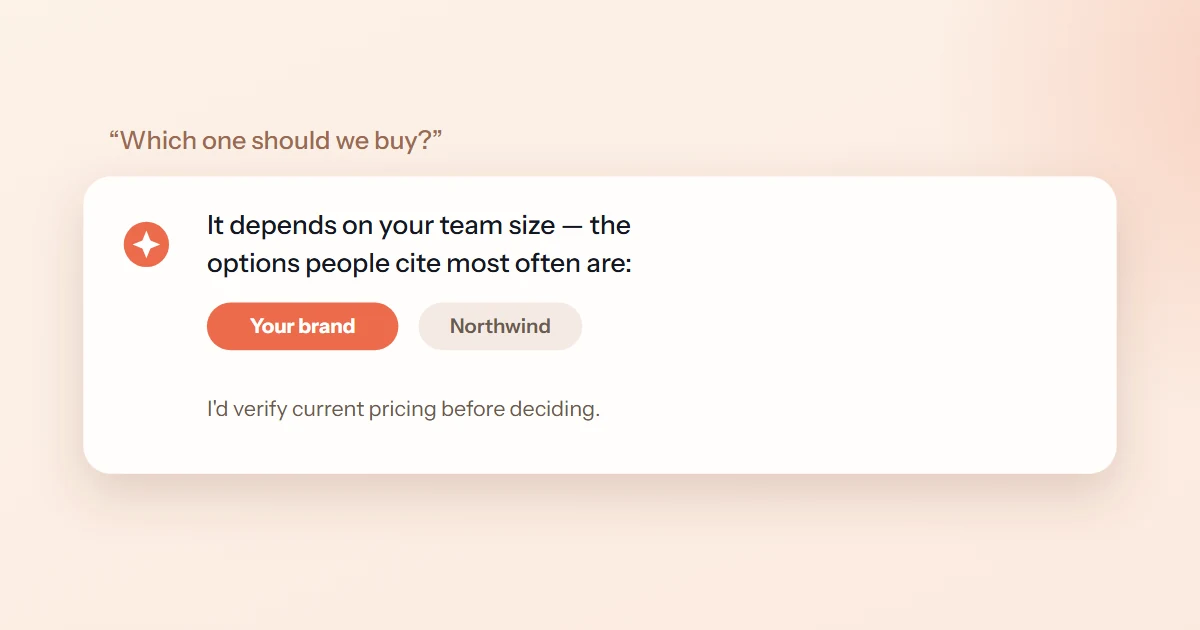
How Claude talks about brands — and how to earn a mention
Anthropic’s Claude has a reputation for caution and nuance — it hedges, it qualifies, it declines to overclaim. That temperament changes what it takes to be named in its answers, and rewards brands that are genuinely well-documented.
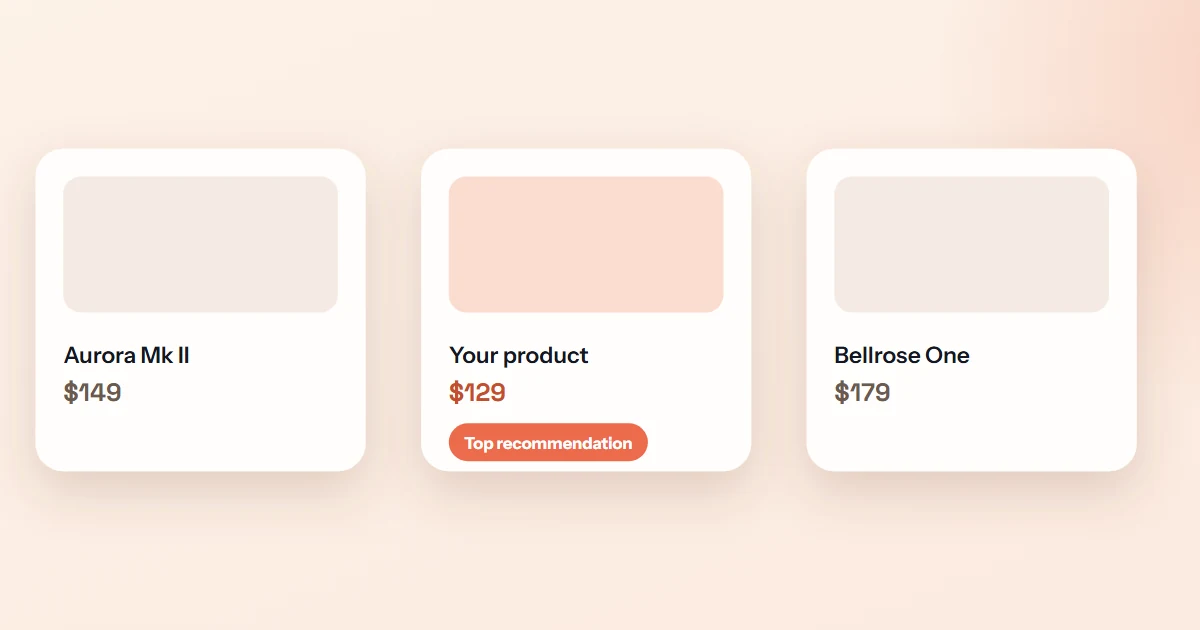
ChatGPT shopping: how AI product recommendations actually work
The assistant that used to say “check a few retailers” now names specific products, quotes prices and links out. For brands that sell things, that shift turns AI answers into a shelf — and shelf placement is earnable.
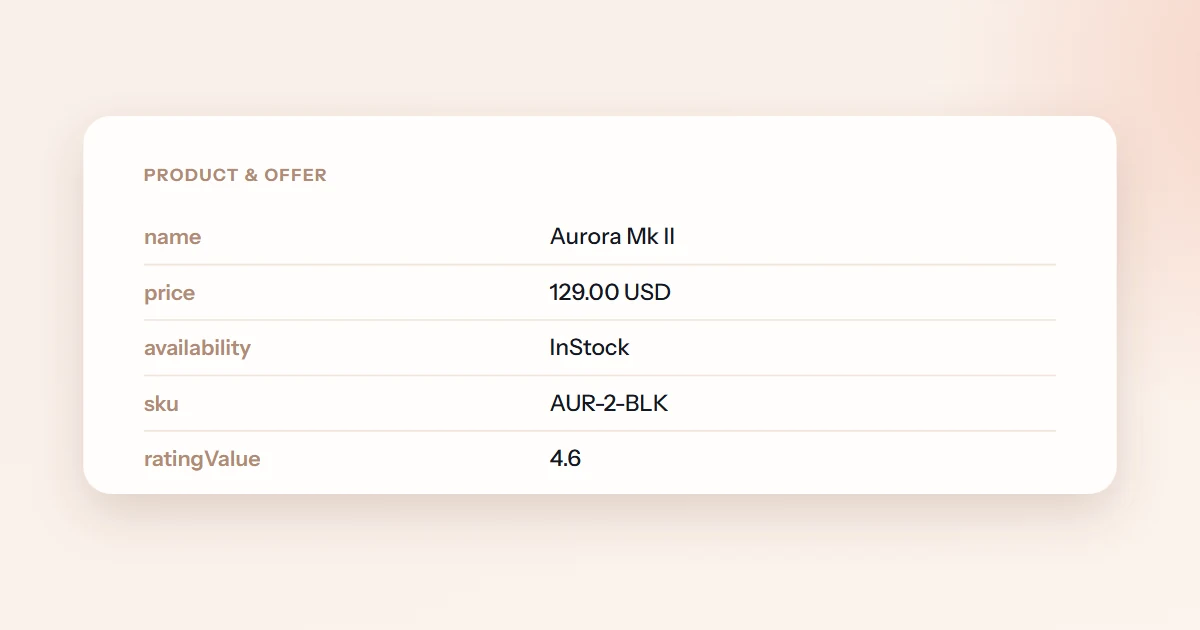
Product & Offer schema for AI: a copy-paste JSON-LD guide
AI answer pipelines extract facts before they synthesize prose. Structured data is how you hand them those facts cleanly — price, specs, ratings — instead of hoping they parse it out of your layout. Here’s the markup that matters, ready to adapt.
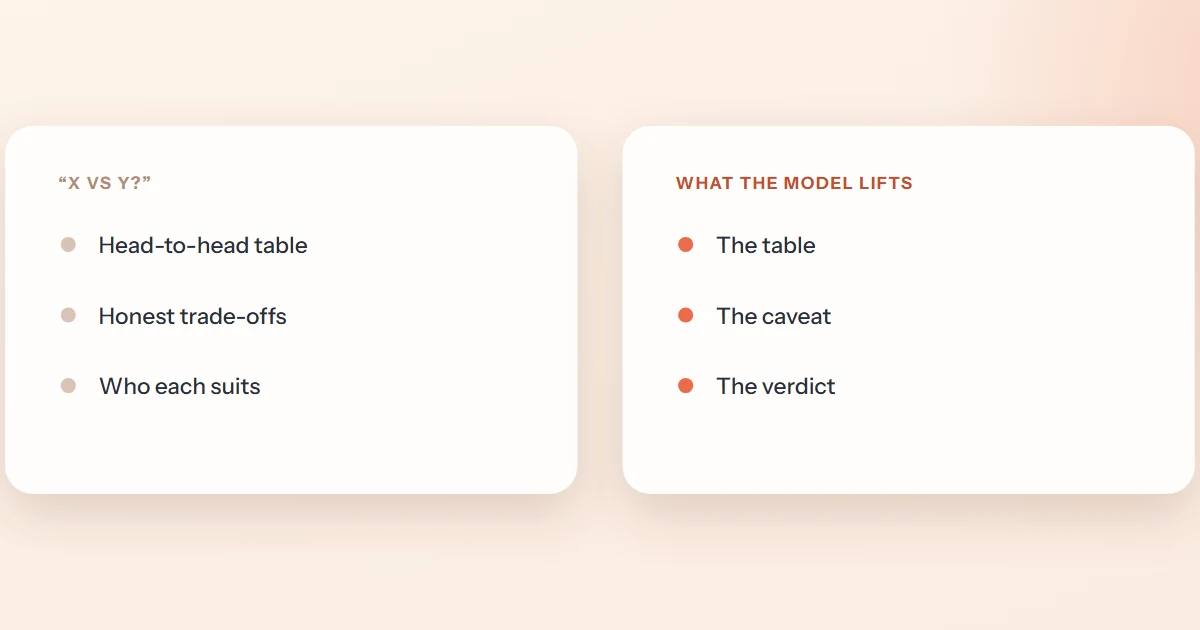
Comparison and alternatives pages: the GEO workhorse
“Which is better, X or Y?” and “what are the alternatives to Z?” are among the most common buyer prompts to AI assistants — and among the easiest to win, because a good comparison page answers them almost verbatim.
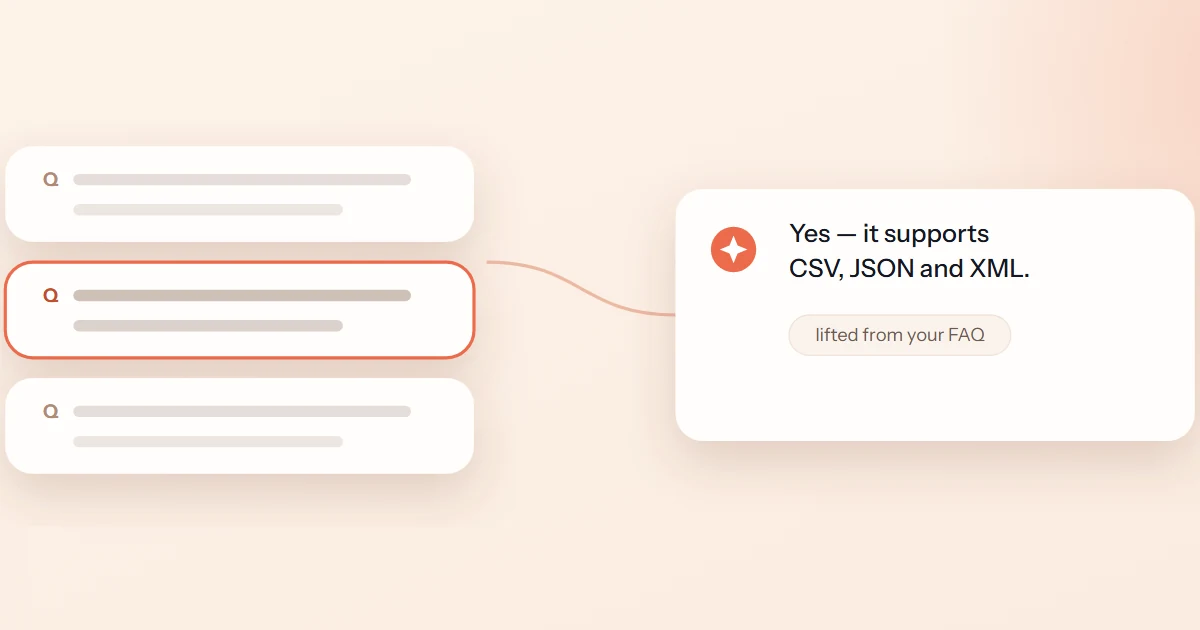
FAQ content that AI engines lift straight into answers
An FAQ is the most answer-shaped content you can publish: a real buyer question, immediately followed by a clean, self-contained answer. That’s exactly the unit an assistant is trying to produce — so give it one it can lift.
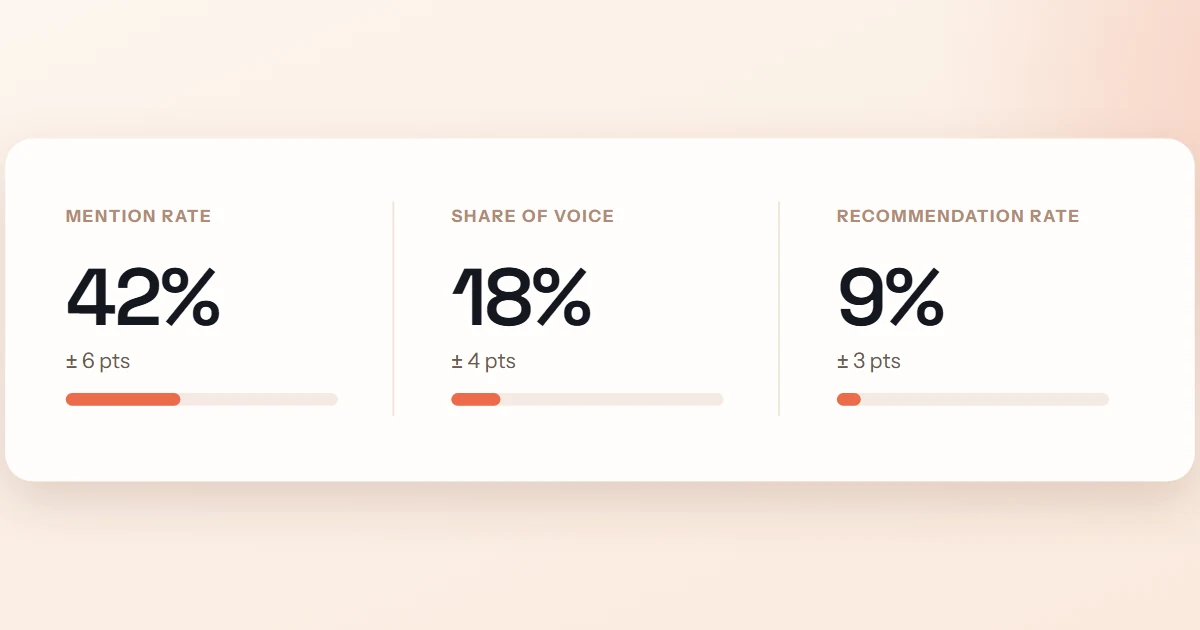
The GEO metrics dashboard: what to actually report to leadership
A GEO program earns its budget in the room where leaders decide what to fund. That means turning stochastic AI answers into a small, honest set of numbers that move — and cutting the vanity metrics that make dashboards lie.
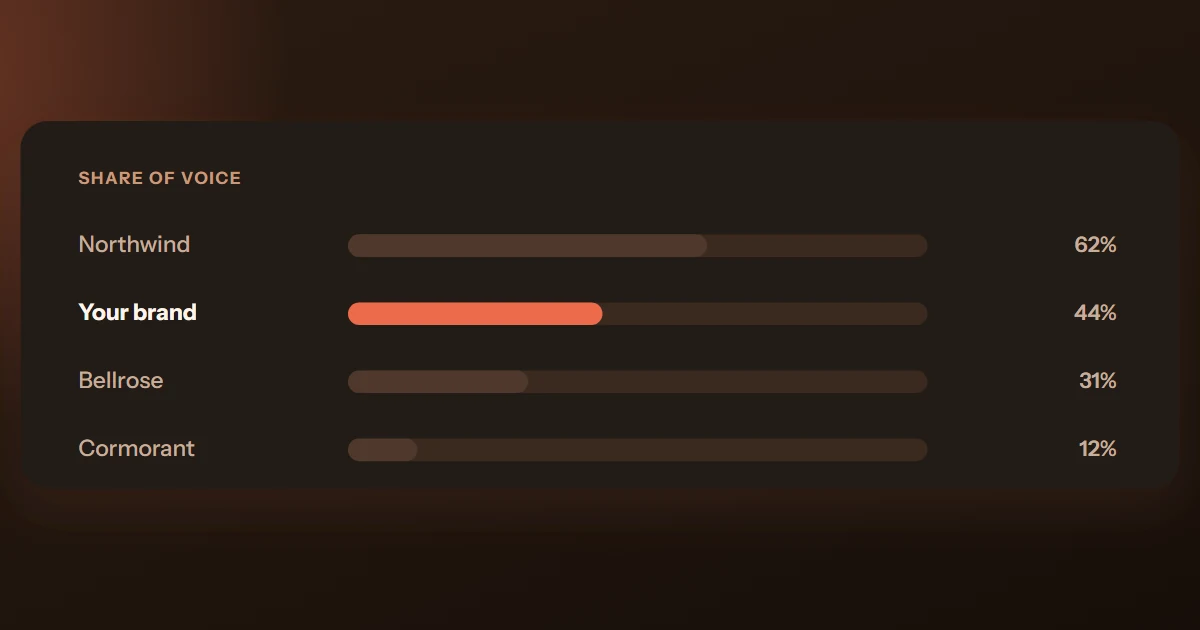
Competitive analysis in AI answers: reading the field
In search, ten links shared the click. In AI answers, two or three brands share the entire response. That makes competitive analysis sharper and more urgent: you can see exactly who the model puts on the shortlist, and start closing the gap.
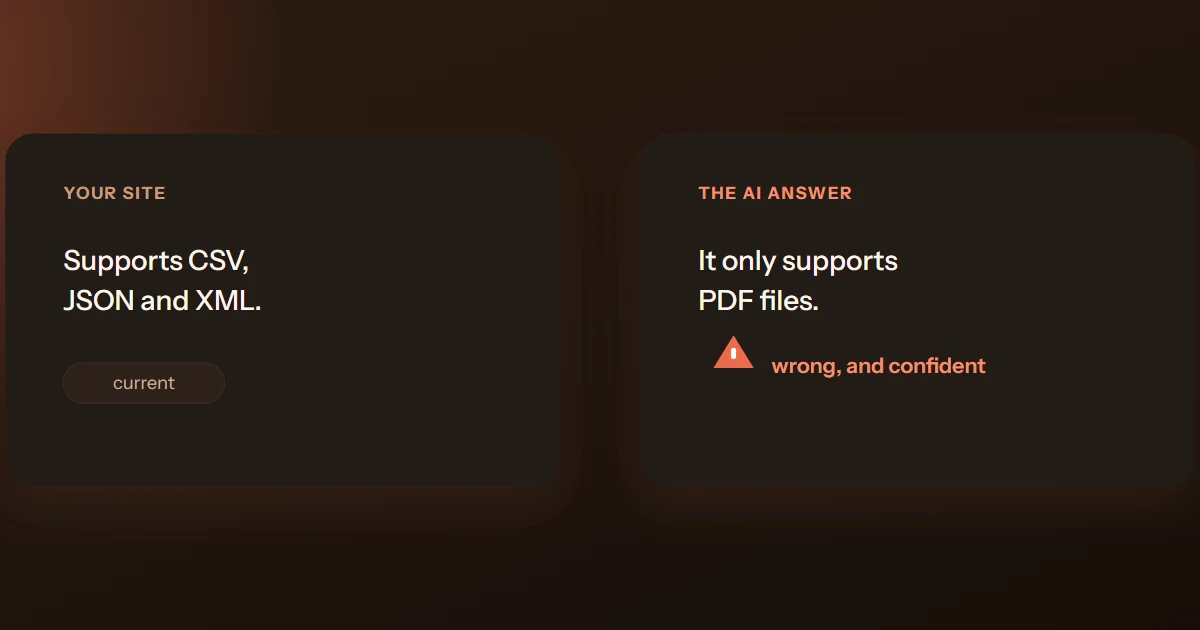
When AI gets your brand wrong: detecting and fixing hallucinations
Being mentioned is not always good. An assistant that confidently tells a buyer you “only support PDFs” or quotes a price you retired last year can do more damage than silence. The fix starts with detecting the error — systematically, not by accident.
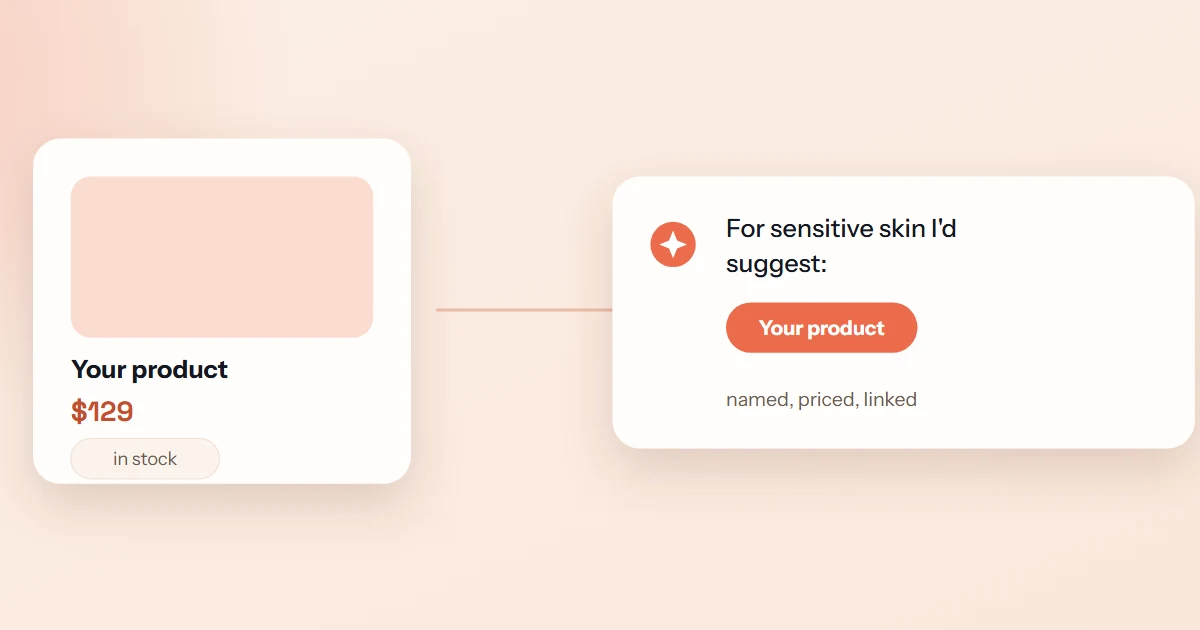
GEO for ecommerce and DTC brands: getting products into AI answers
For a DTC brand, the shift is stark: buyers who used to browse retailers now ask an assistant “what’s the best X for Y?” and get named products back. Winning that answer is a new, learnable discipline sitting on top of your existing store.
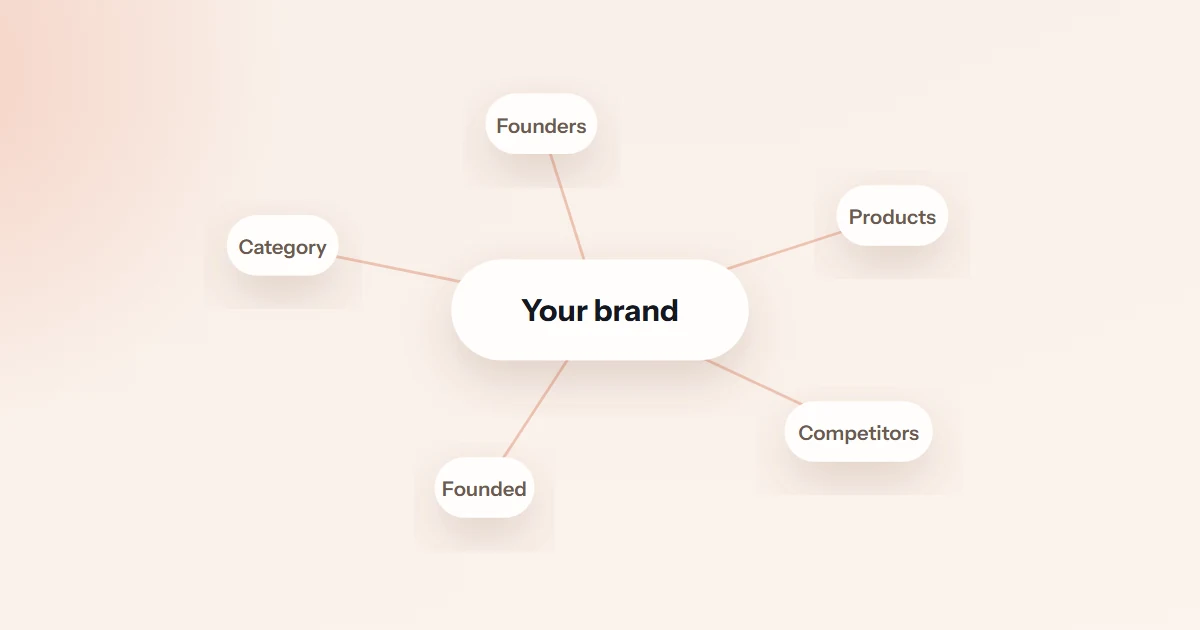
Entity SEO for AI: your brand as a knowledge graph node
Language models don’t think in keywords — they think in entities and the relationships between them. Making your brand a well-defined, consistently-described entity is foundational GEO work that decides whether a model even knows what you are.
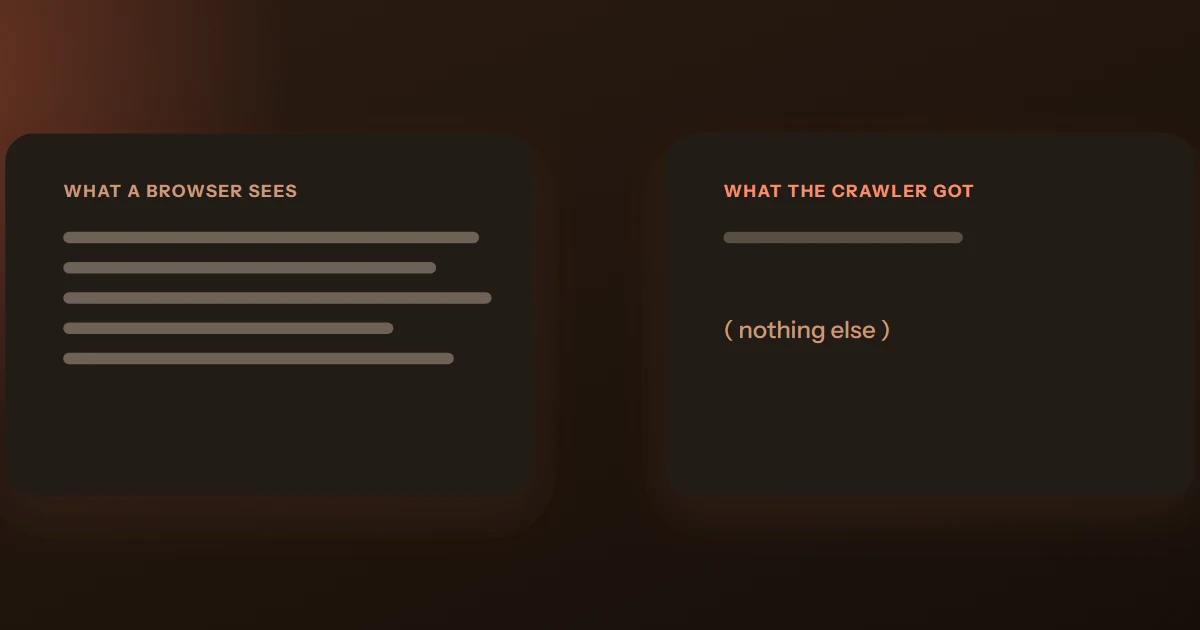
JavaScript, rendering, and why AI crawlers miss your content
You can write the most quotable product page on the internet, but if its facts only materialize after a heavy JavaScript bundle executes, many AI crawlers will fetch a nearly empty page — and quote a competitor whose HTML just says what they are.
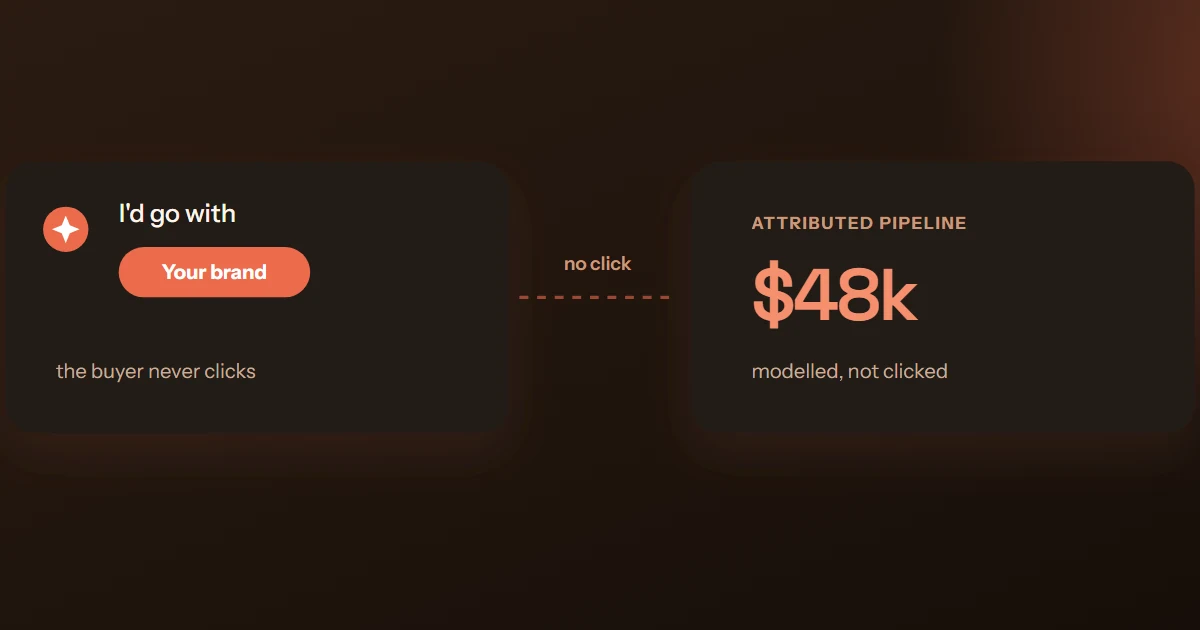
Measuring GEO ROI: attribution when there’s no click
The hardest question a GEO program faces isn’t technical — it’s financial. When an assistant recommends you and the buyer never clicks, how do you prove the work paid off? You can, but not with last-click analytics.
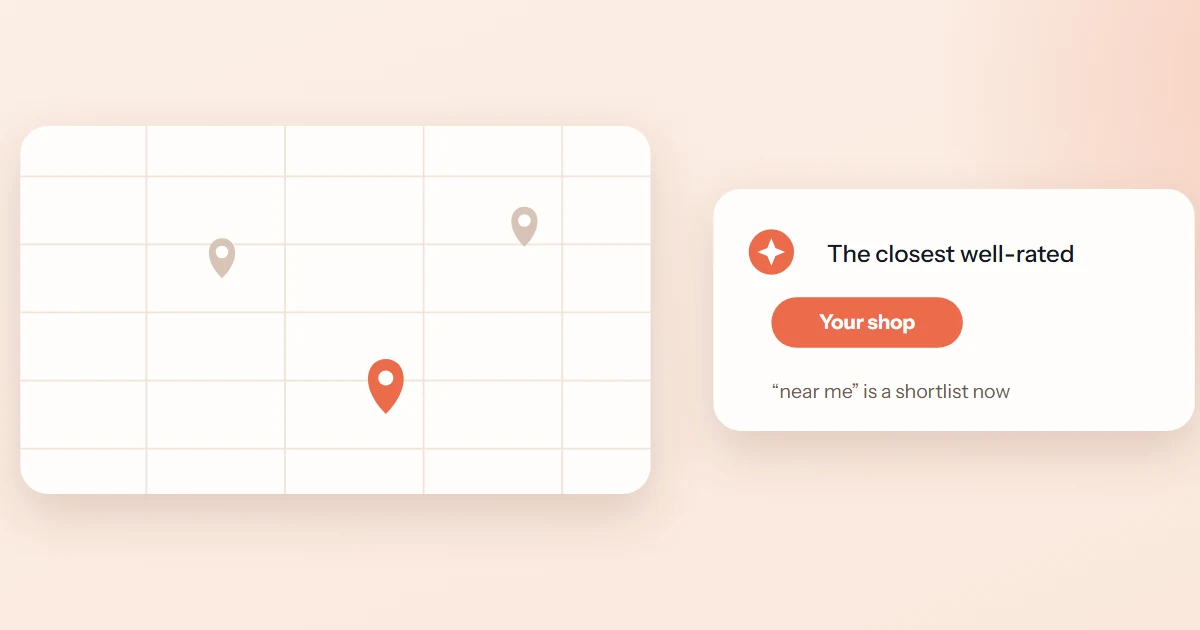
Local businesses and AI search: showing up in ‘near me’ answers
“Best dentist near me,” “a good plumber in this neighborhood” — local questions are moving to assistants too, and the answer is a short list of specific businesses. For local and service brands, that’s a new visibility surface built on familiar foundations.
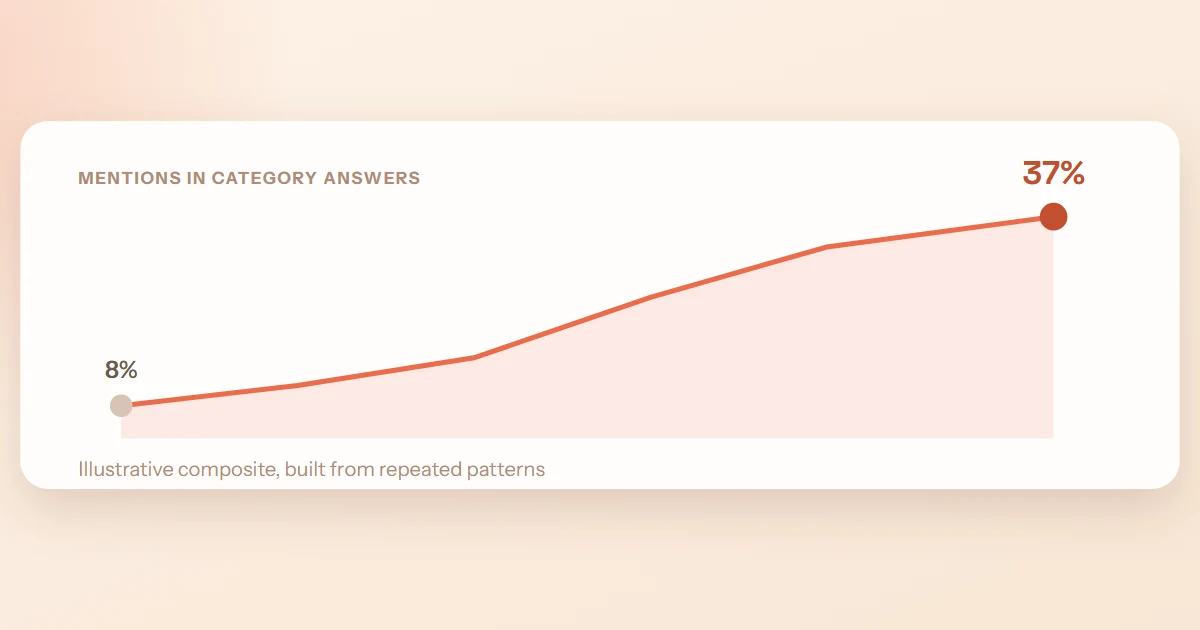
Case study: a B2B SaaS brand’s climb from invisible to recommended
This is a composite, illustrative worked example — built from the patterns we see repeatedly — of a B2B SaaS brand that went from barely appearing in AI answers to being a recommended option on its core buying prompts inside a single quarter.
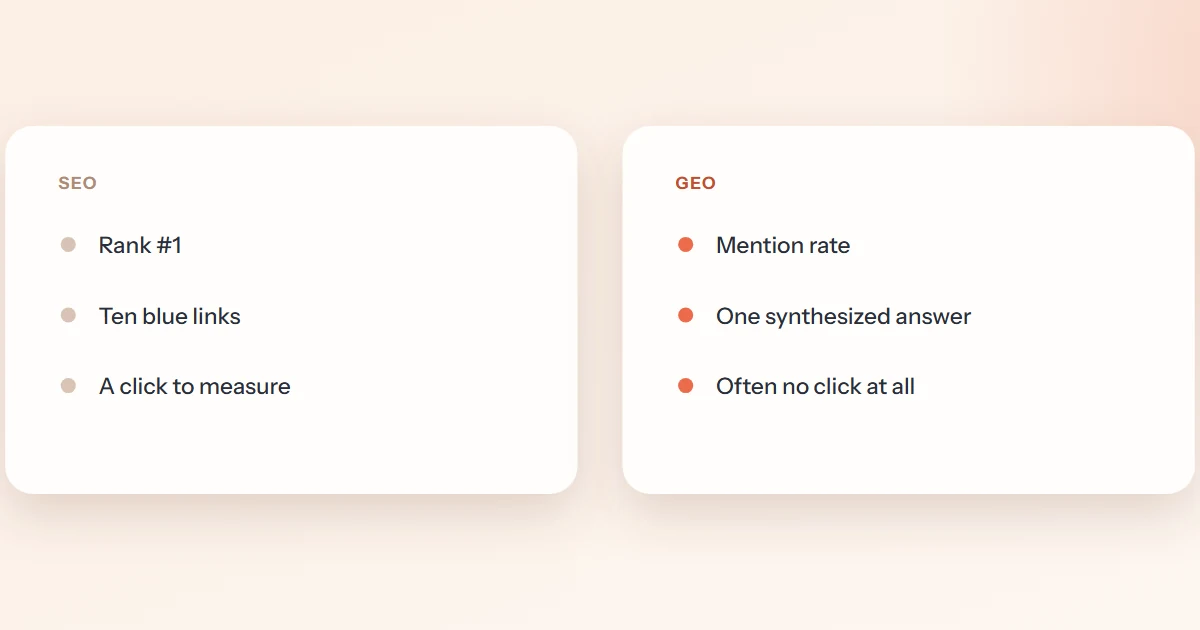
GEO vs. SEO: what actually changes when the search box becomes a chat box
Ranking was observable; answers are probabilistic. What carries over from SEO, what doesn't, and where the two disciplines pull in opposite directions.
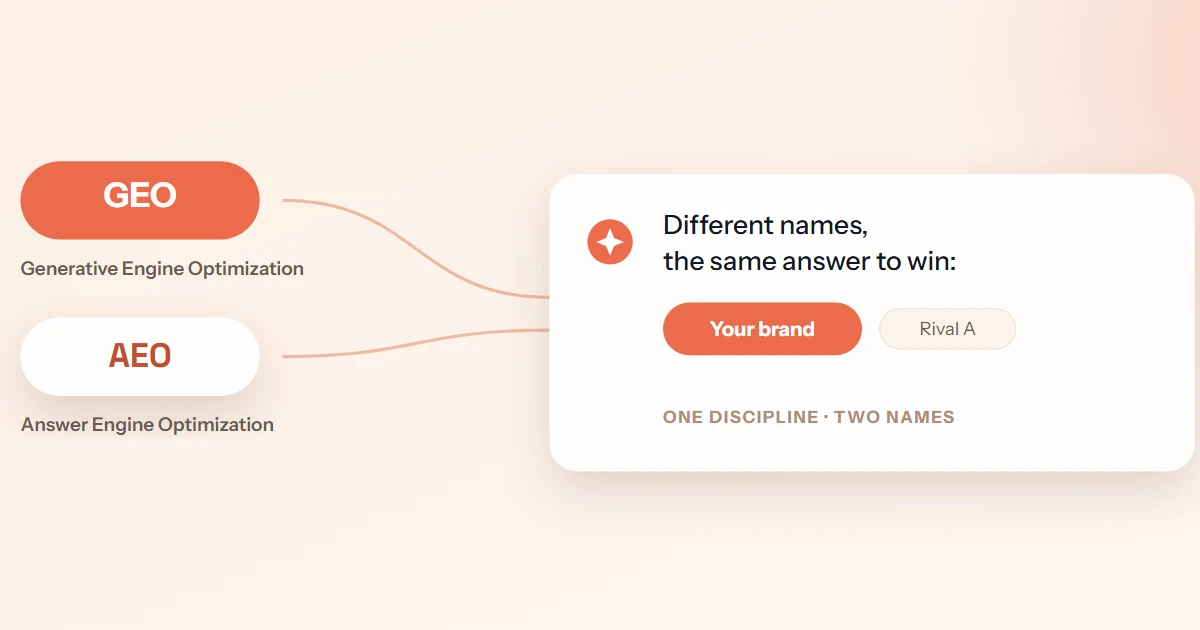
GEO vs. AEO: two names for the same discipline
One comes from a research paper, the other from the SEO industry's answer-box era — and they describe the same work. When the difference actually matters, and what to call it in your org.
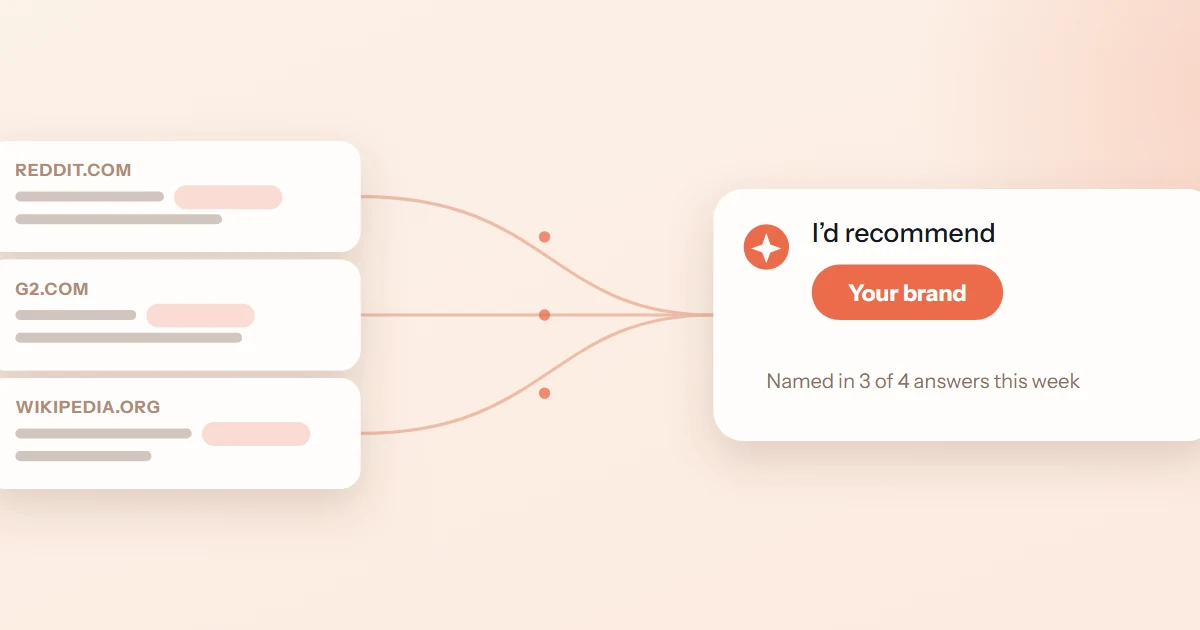
How ChatGPT decides which brands to recommend
Parametric memory, live retrieval, and consensus across sources — the mechanics behind the model's shortlist, and where you can realistically intervene.
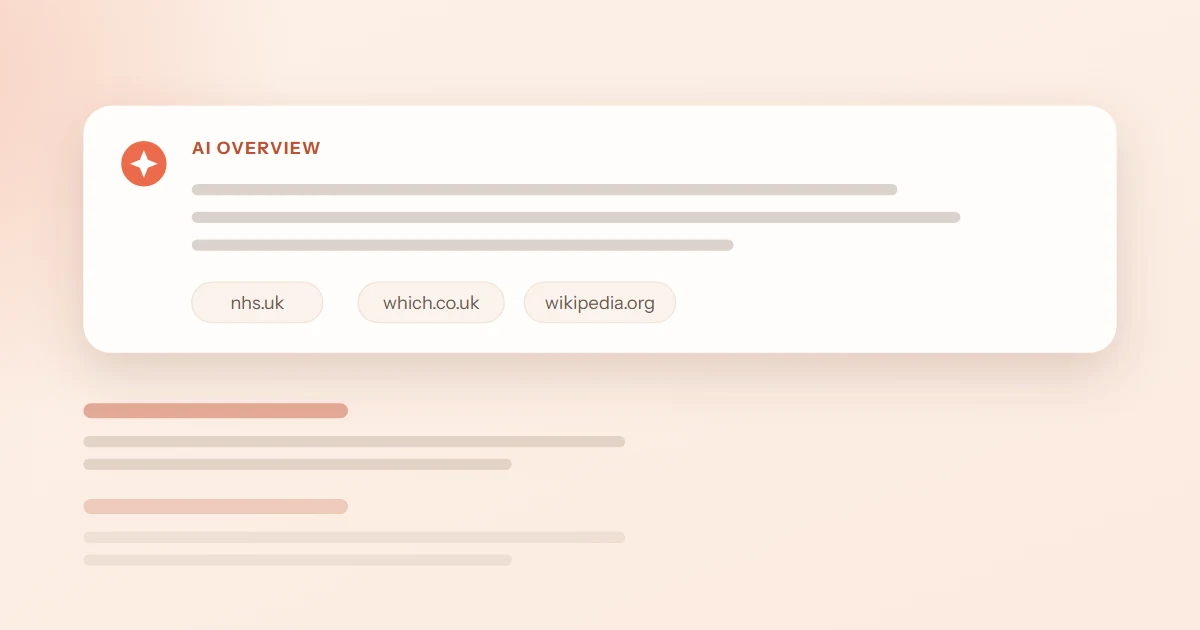
Google AI Overviews: how to show up — and how to know if you do
AI Overviews now sit above the results your SEO team fought for. How they're assembled, what gets cited, and how to track your presence in them.
Winning citations in Perplexity: what its retrieval actually rewards
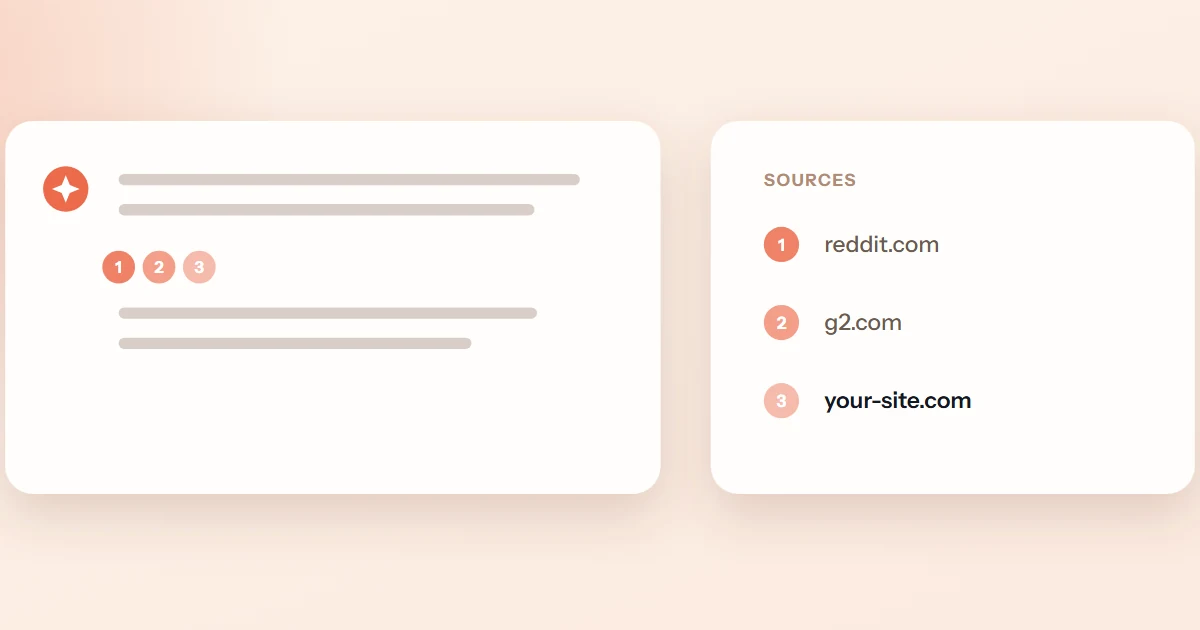
Perplexity cites every claim it makes — which makes it the most transparent engine to optimize for. A close look at what earns a citation slot.
llms.txt: what it is, who supports it, and whether you should ship one
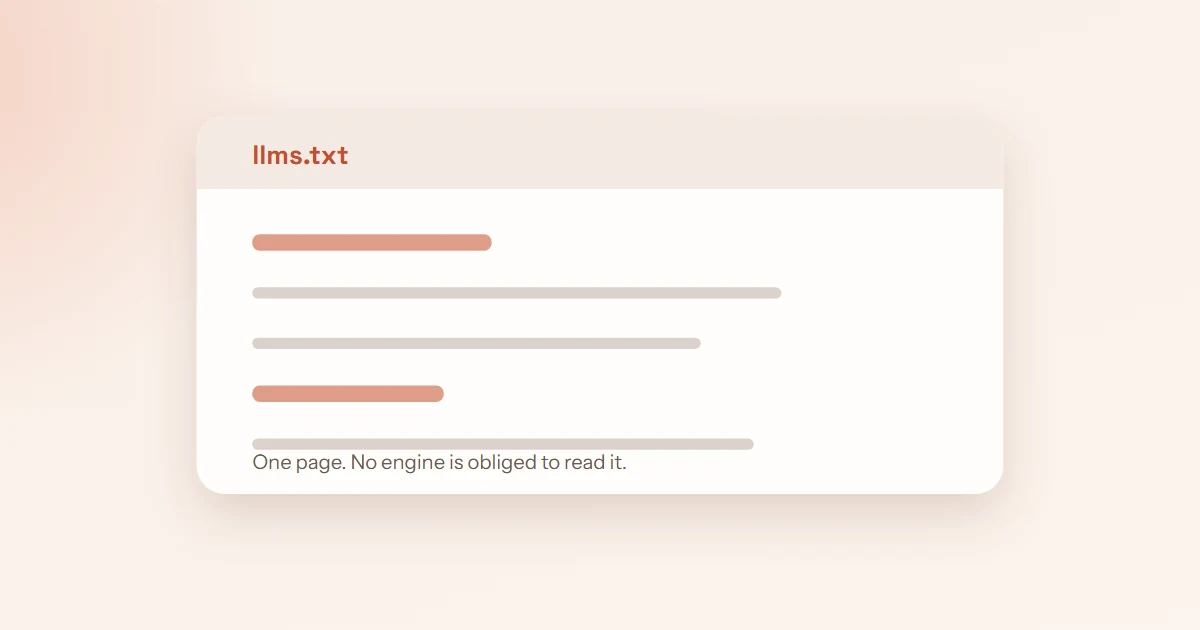
The proposed standard for LLM-friendly site maps, separated from the hype: real adoption status, what it can and can't do, and a copy-paste starting template.
Structured data for LLM visibility: schema.org beyond rich snippets
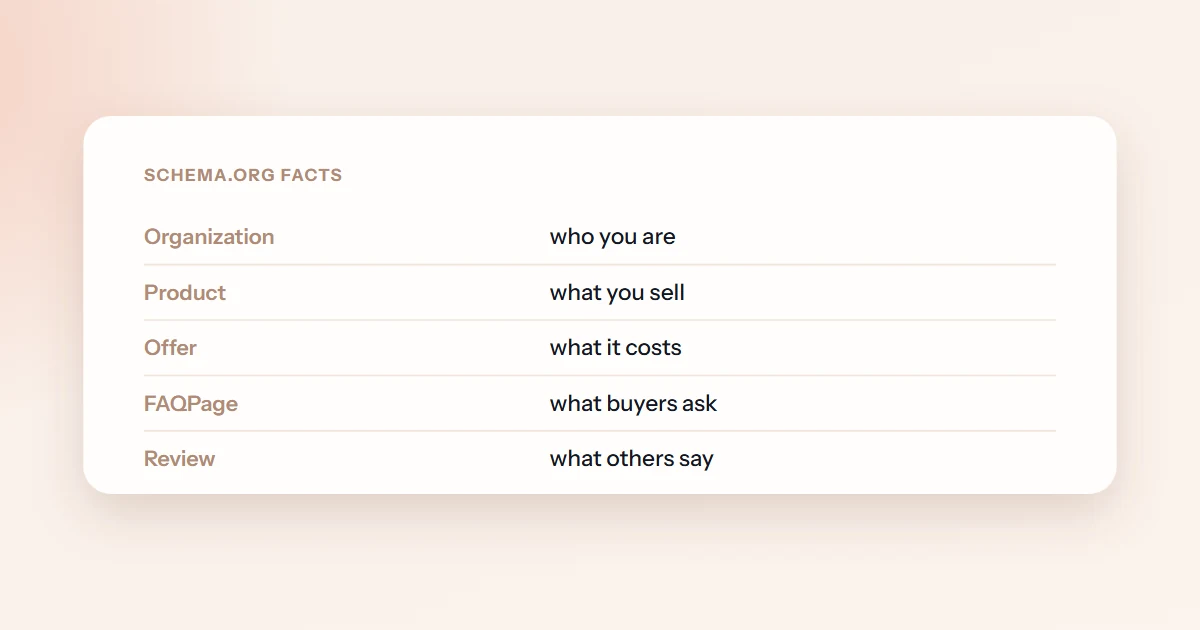
Schema markup was built for search engines — but it also makes your facts machine-legible to AI answer pipelines. The types that matter and how to ship them.
GPTBot, ClaudeBot & friends: managing AI crawlers without erasing your brand
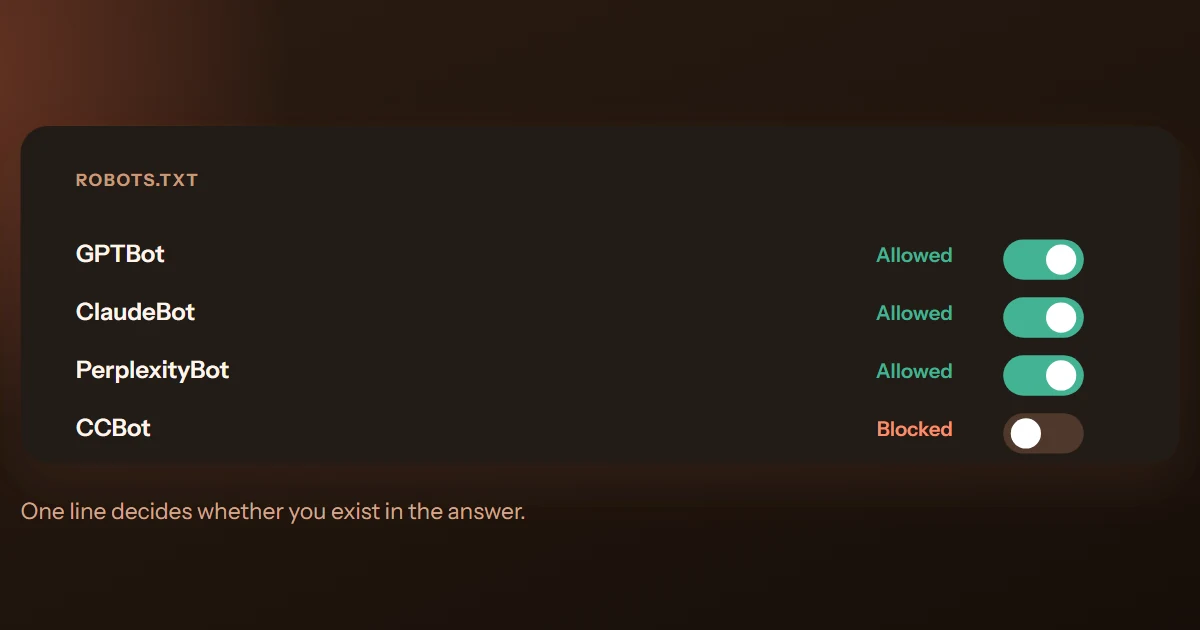
Every AI crawler you'll meet in your logs, what each one feeds, and a decision framework for robots.txt that doesn't quietly delete you from AI answers.
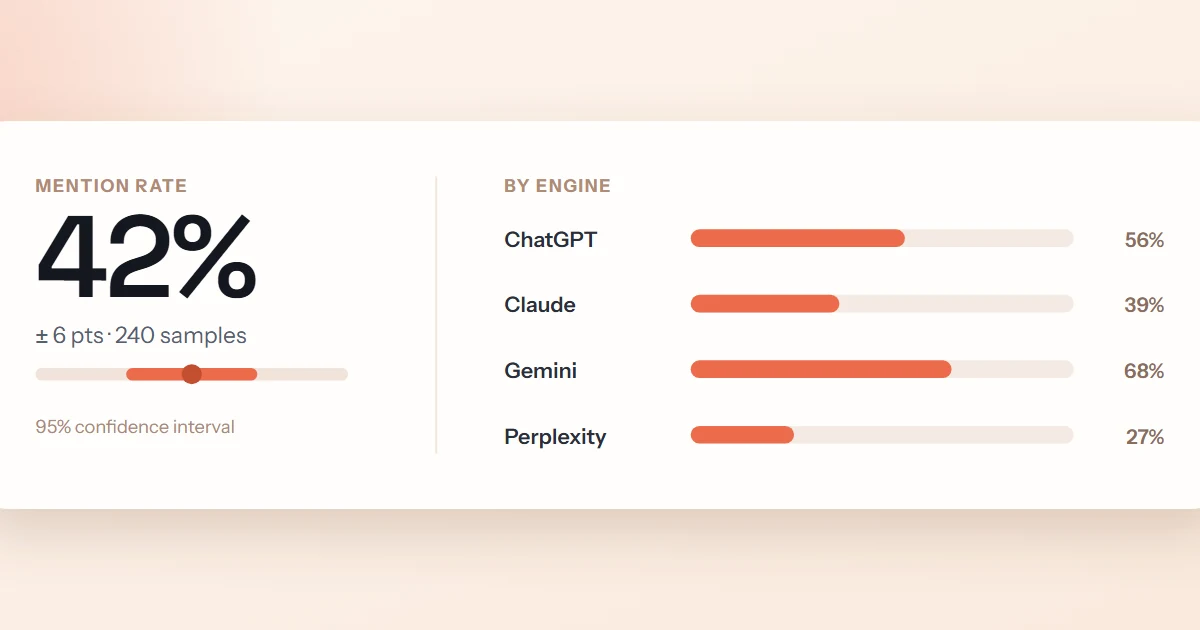
Share of voice, mention rate, recommendation rate: the metrics of AI visibility
The metric definitions a GEO program needs, how to compute each one honestly, and the reporting traps that make dashboards lie.
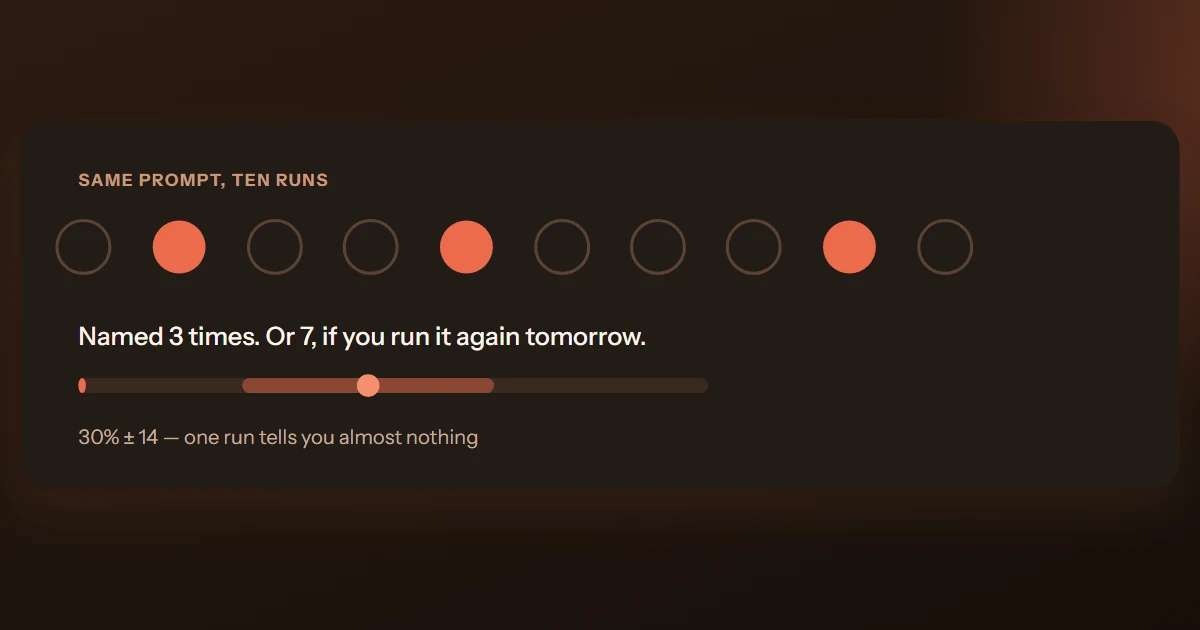
Why "I asked ChatGPT once" is not a measurement
LLM answers are stochastic. Sampling, variance and confidence intervals — explained for marketers, with the math kept honest and the jargon kept out.
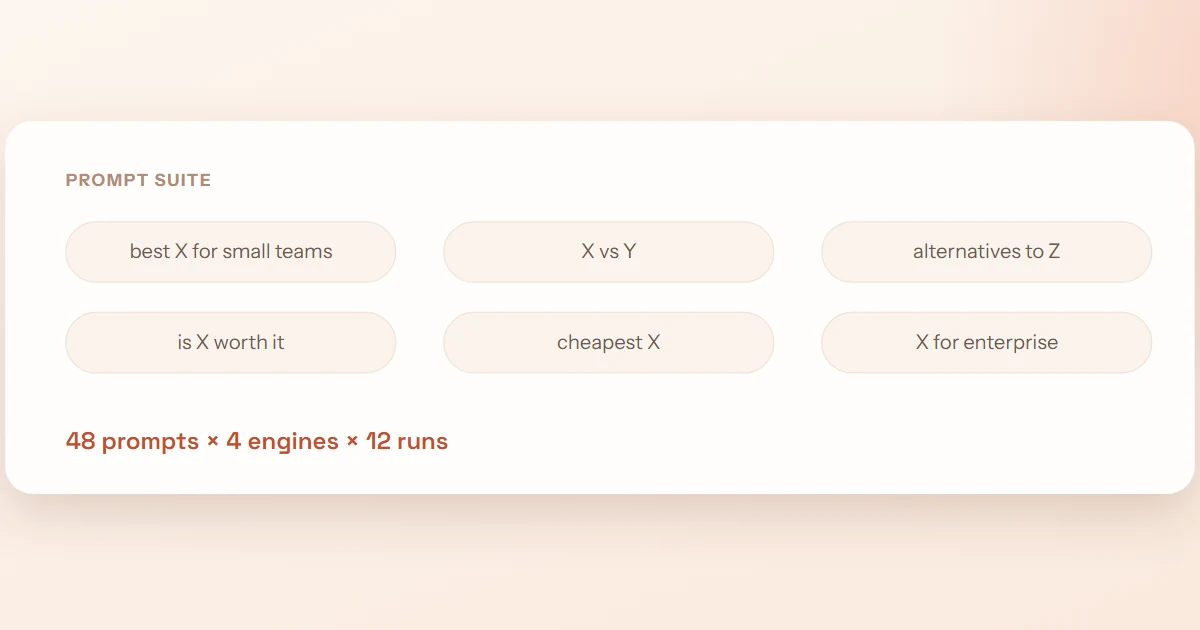
Designing a prompt suite: how to benchmark your brand across AI assistants
Your measurement is only as good as your prompts. How to build a suite that mirrors real buyer language, covers the funnel, and resists wishful thinking.
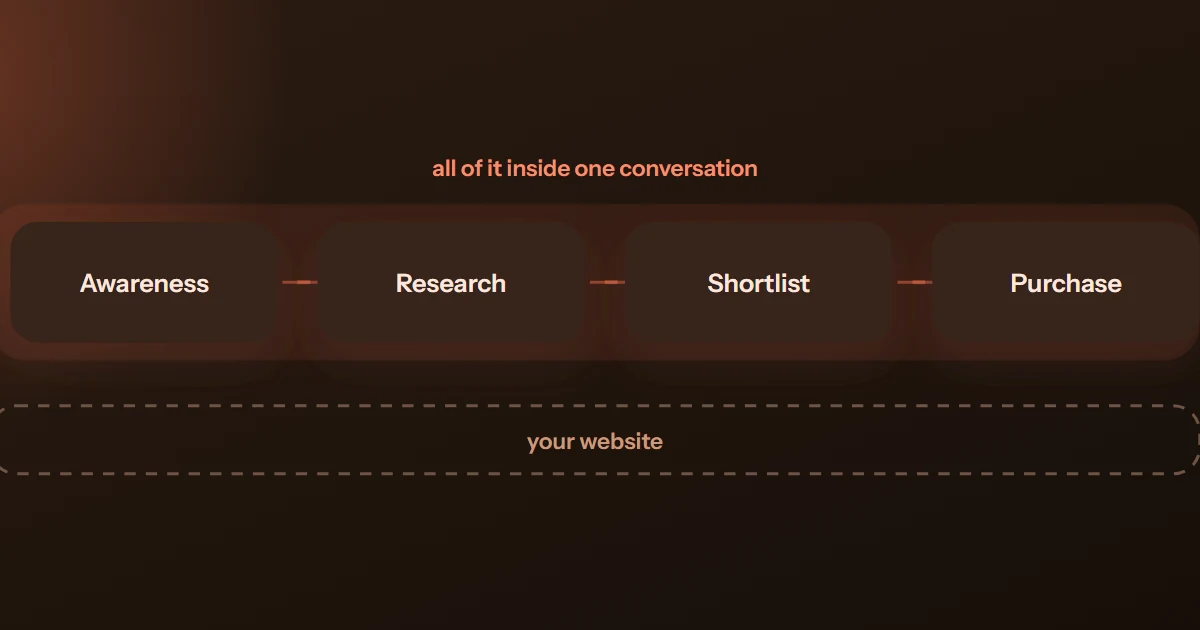
The zero-click buyer journey: when customers never see your site
AI answers are compressing awareness, research and shortlist into one conversation. What that does to attribution — and where brands still get to compete.
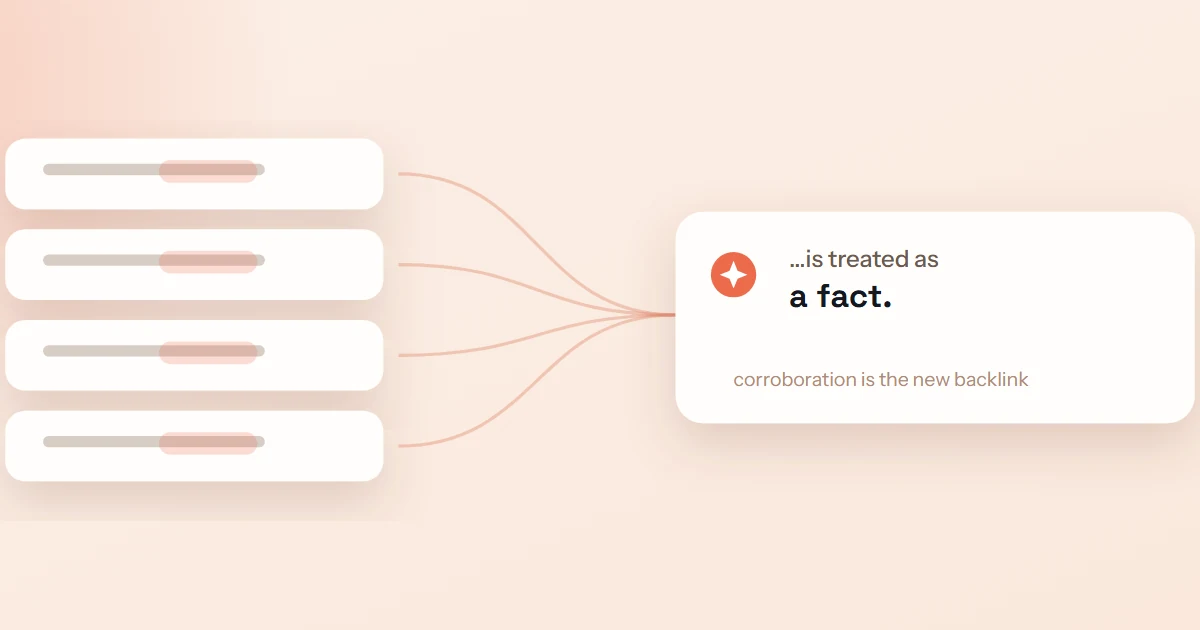
The new backlinks: why third-party mentions drive AI recommendations
LLMs weight consensus across sources. Why digital PR beats anchor text in the answer era, and how to earn the corroboration models trust.
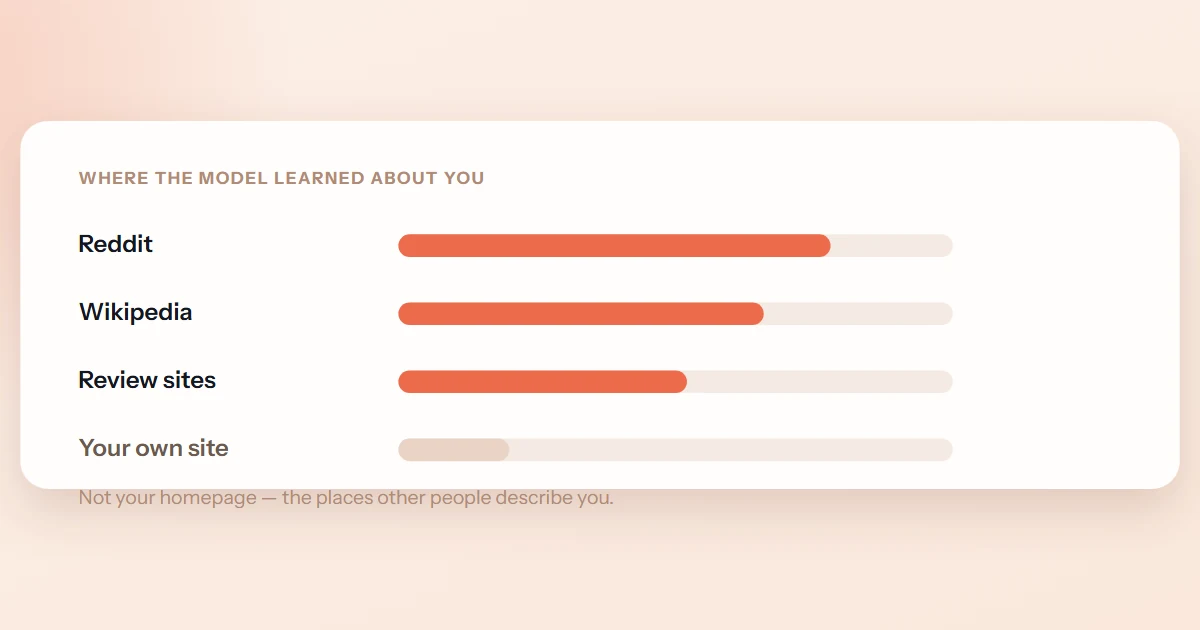
Reddit, Wikipedia & review sites: where LLMs actually learn about your brand
The community and reference sites that punch far above their weight in training data and retrieval — and how to show up in them legitimately.
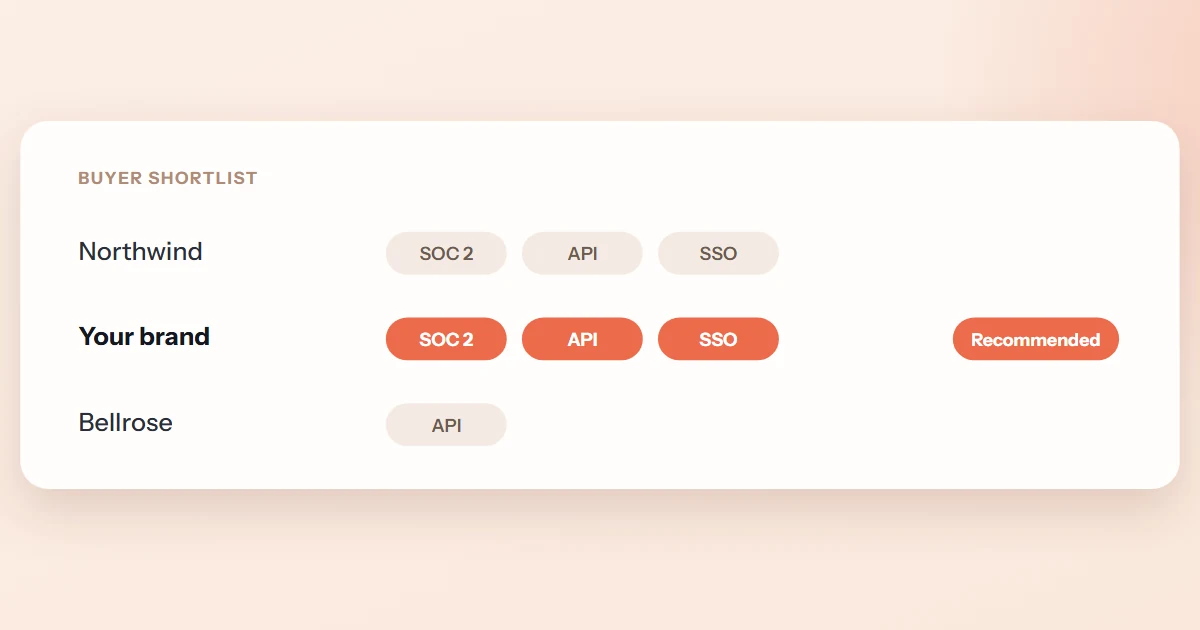
GEO for B2B: how technical buyers use AI assistants to build shortlists
Niche categories are where GEO pays off fastest. A playbook for B2B brands whose buyers ask assistants hard, spec-laden questions.
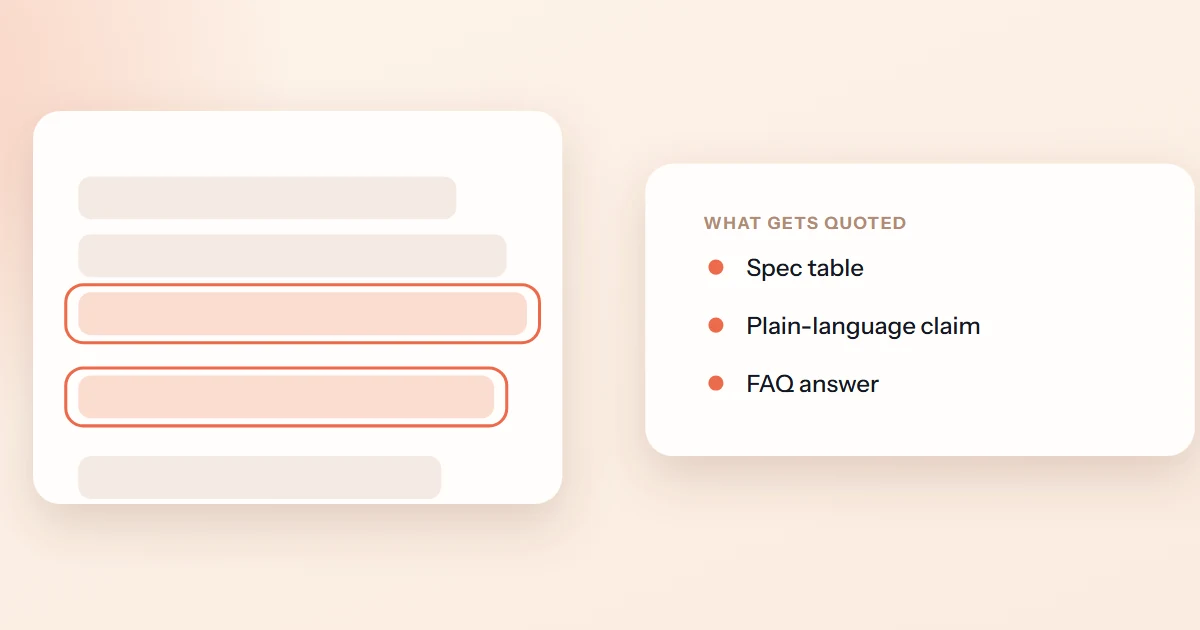
Anatomy of a product page that LLMs can actually quote
Section by section: how to structure claims, specs, comparisons and FAQs so a model can lift them into an answer — with attribution intact.
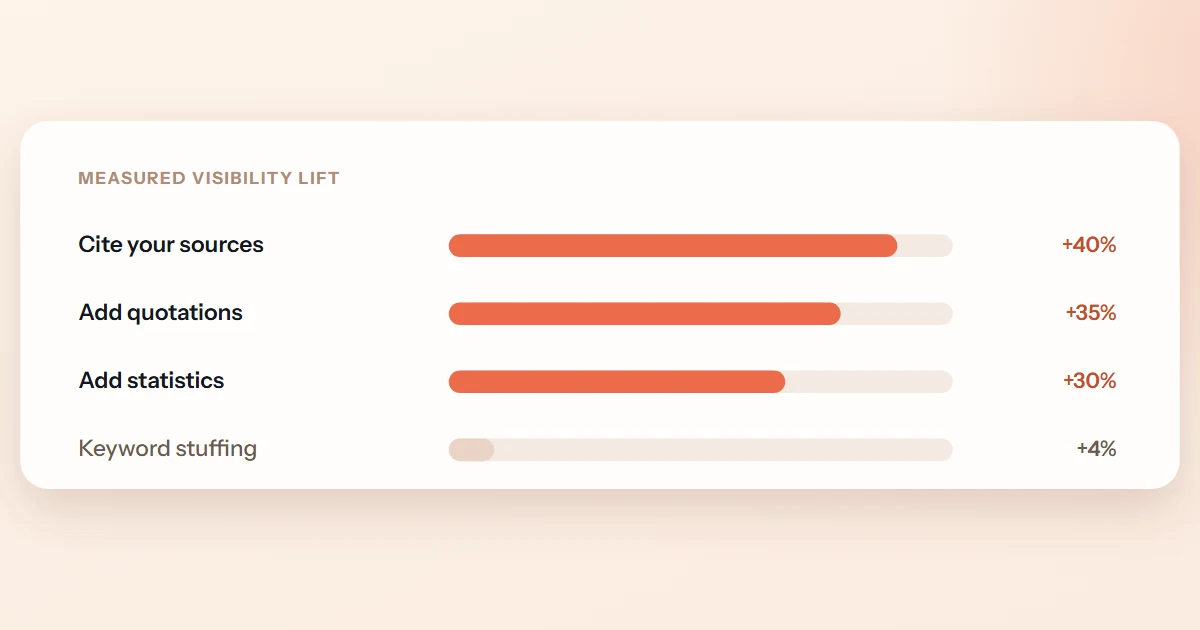
Statistics, quotes and citations: the content formats that win AI answers
What the GEO research actually found: the nine tactics tested, the three that moved visibility up to 40%, and the ones that did nothing.
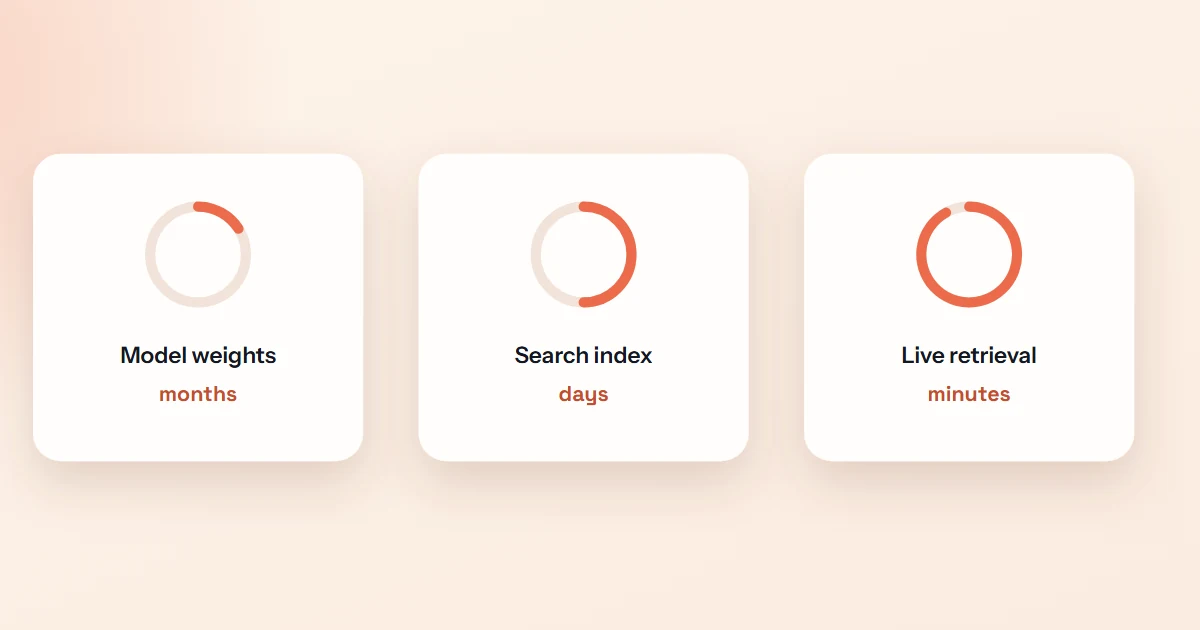
Content freshness and AI answers: how often models and indexes actually update
Training cutoffs, retrieval indexes and crawl cadence: the three clocks that decide when your updates reach AI answers, and how to plan around them.
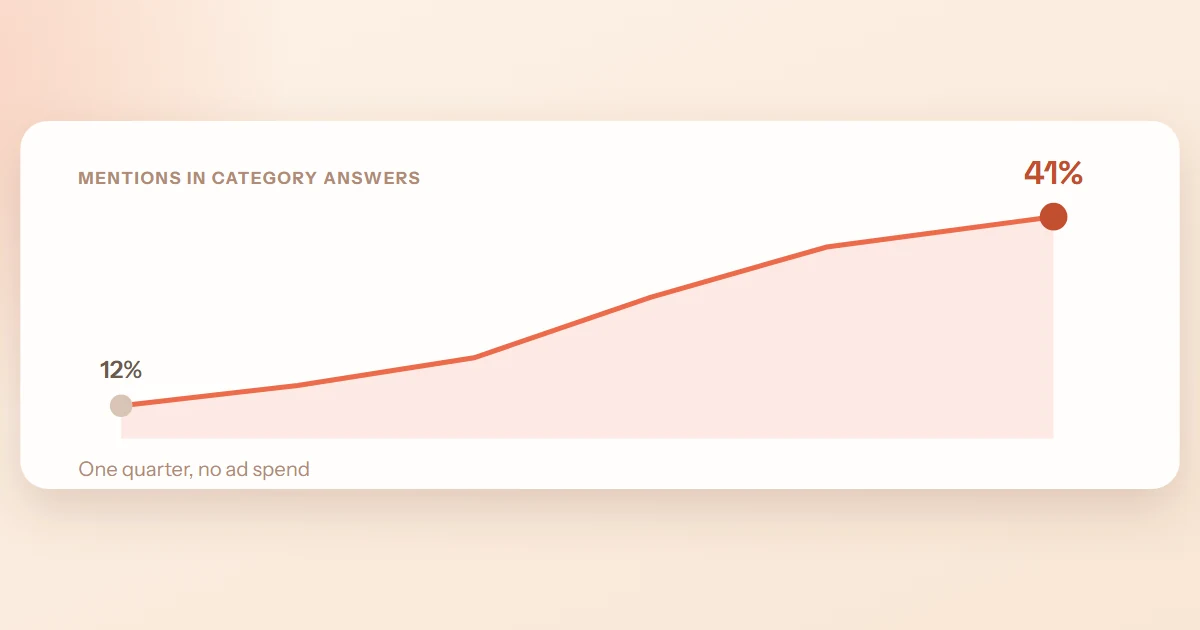
Case study: how an industrial sensor brand won the AI answer in 90 days
From 12% to 41% mention rate on core buying prompts. The full worked example: baseline, page rewrites, corroboration campaign, and re-measurement.
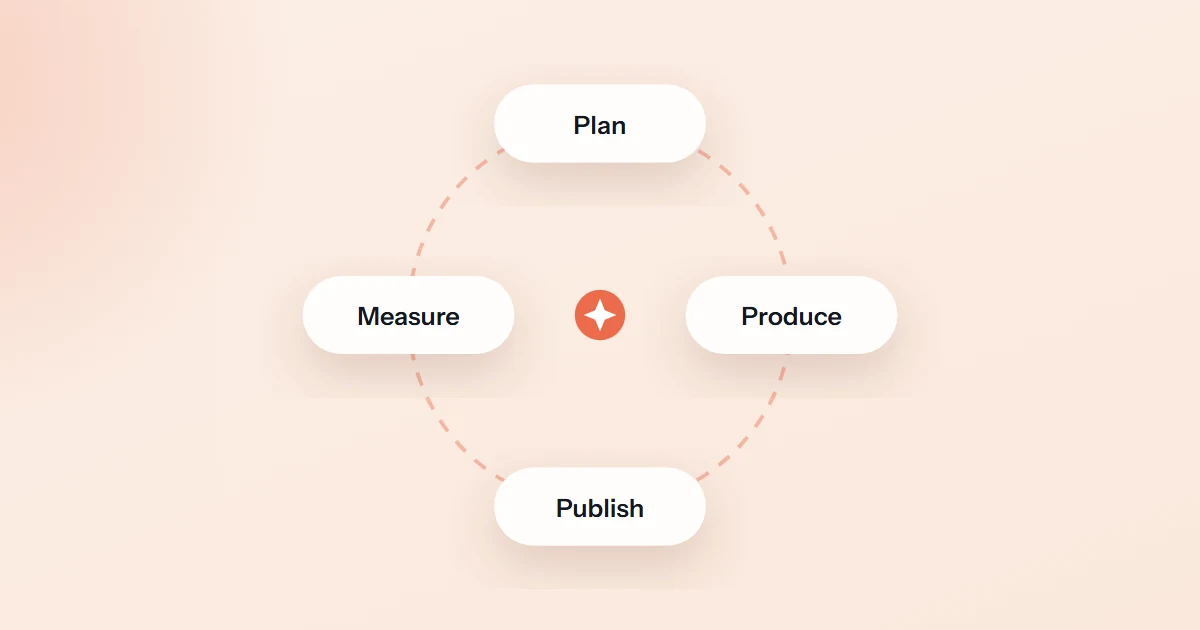
The GEO flywheel: plan → produce → publish → measure
GEO isn't a one-off audit — it's a loop. How the four stages feed each other, and why teams that close the loop compound while others plateau.